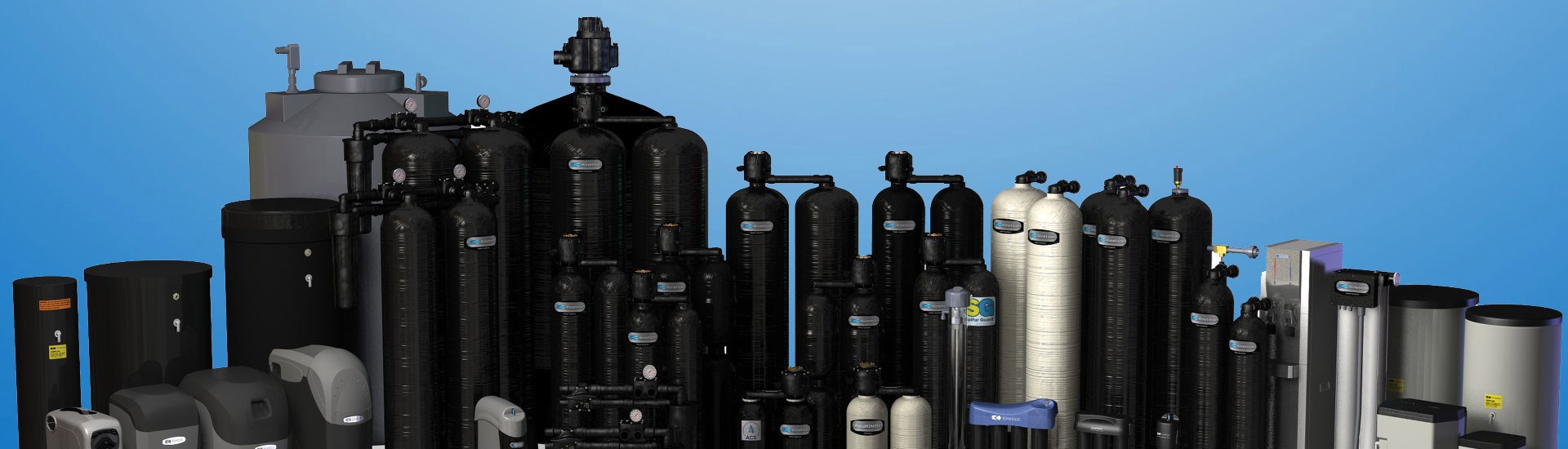
Choosing the best whole house water filter in 2026 is not simply a matter of buying the largest system. Water conditions differ from one home to another. A rural well may carry iron, sulfur, or bacteria concerns. A city supply may contain chlorine, sediment, or traces of regulated chemicals. The correct choice begins with a current laboratory water test, not a dramatic product claim.
Rick Andrew, former Director of Global Business Development for Water Systems at NSF International, has explained, “The right treatment depends on the water problem.” That principle remains practical. A carbon filter can improve chlorine taste and odor. It may not remove every contaminant. A sediment prefilter can protect expensive media, yet it cannot solve dissolved metal problems by itself. Certification also matters. Look for credible NSF or ANSI standards that match the contaminant being addressed.
This guide compares filtration capacity, flow rate, installation requirements, replacement costs, and maintenance demands. It also considers the details homeowners often overlook, such as pressure loss when two showers run together. Small details matter.
The most expensive model is not automatically the safest or most effective. That assumption deserves a second look. A filter with impressive specifications may perform poorly if cartridges are neglected or sizing is incorrect. We will examine realistic household use, not showroom promises, and identify where each system performs well. Some recommendations may feel less exciting. They may still be more dependable.
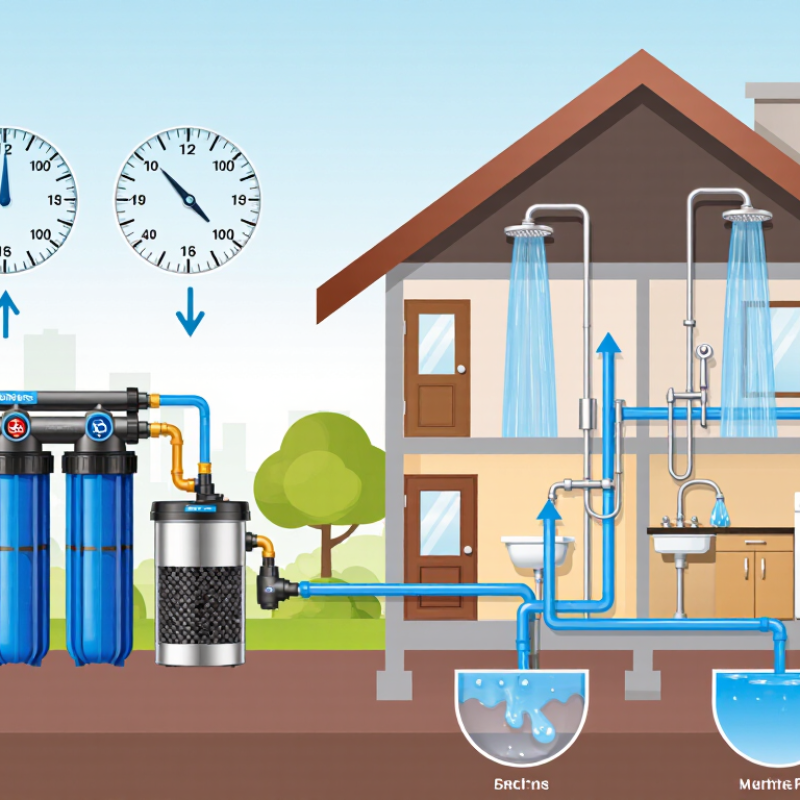
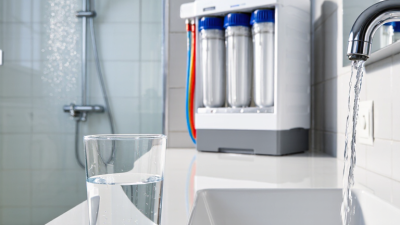
A whole house water filter treats water before it reaches your taps, shower, washing machine, and dishwasher. It is installed at the main entry pipe, so every indoor outlet receives filtered water. Unlike a small faucet filter, it can protect the entire plumbing system from selected impurities.
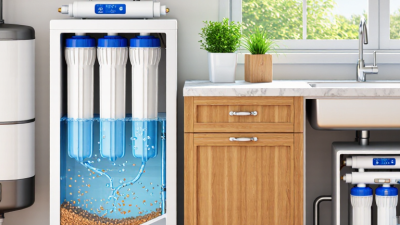
The system works in stages. A sediment cartridge catches sand, rust, and loose particles. A carbon filter can reduce chlorine, unpleasant odors, and some organic compounds. Other systems may use specialized media for iron, hard water, or certain dissolved contaminants. Ultraviolet treatment can help control microorganisms, but it does not remove dirt or chemicals.
Water flow matters. A clogged cartridge may cause weak showers and slow filling appliances. From practical inspections, many homeowners replace filters too late because the water still looks clear. That is a mistake. Some contaminants are invisible. Check your local water report, test private well water regularly, and choose certified treatment claims that match the test results. A filter is not automatically a purifier. It also cannot solve every water problem.
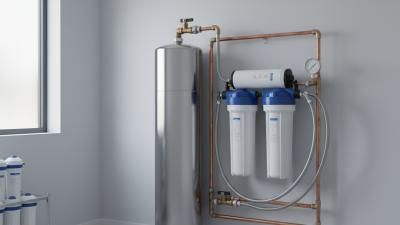
Installation needs a shutoff valve, pressure control, and enough space for cartridge changes. I would leave room beneath the housing for a bucket. Small leaks are easier to manage there. Even the best system needs maintenance, and that part is often underestimated.
The best filter depends on your water, not your kitchen size. Start with a recent utility water report. In the United States, these reports disclose tested contaminants and compliance results. However, household plumbing can change the final water quality. The EPA’s 2024 Lead and Copper Rule Improvements estimate that about 9.2 million lead service lines remain nationwide. Older homes deserve extra caution. Test cold tap water for lead, copper, and corrosion indicators. Do not rely on taste or smell alone.
Private well owners face different risks. The CDC recommends testing well water at least once yearly, especially after flooding, repairs, or changes in taste. A laboratory report can reveal bacteria, nitrates, arsenic, iron, hardness, or volatile compounds. WHO drinking-water guidelines also use health-based limits, not marketing claims. Match the filter to the measured problem. A carbon stage may improve chlorine taste, but it may not remove nitrate. Reverse osmosis can reduce dissolved contaminants, yet it produces wastewater and needs careful maintenance. I would not buy a “universal” system without performance data.
Tips: Keep your latest test report beside the filter manual. Check certification for the exact contaminant, not just general claims. Measure flow rate during a shower. Replace cartridges on schedule, even when water looks clear. Missed maintenance is common. It can quietly reduce protection. Retest after installation, because real plumbing conditions may differ from the product’s laboratory results.
In 2026, whole-house water treatment depends on the contaminant, flow rate, and plumbing layout. A sediment filter catches sand, rust, and visible particles before they reach faucets. Its pleated or spin-down design works well for private wells, but it cannot remove dissolved chemicals or microorganisms.
Activated carbon remains useful for chlorine, odors, and many organic compounds. Catalytic carbon can perform better when chloramine is present. Homes with iron or manganese may need specialized media, while hard water requires a softener, not a standard filter. Ultraviolet treatment can inactivate bacteria and viruses, but only when water is clear and the lamp receives regular maintenance. Reverse osmosis removes many dissolved contaminants, though it usually serves one drinking-water tap because of its slower flow and wastewater output.
The best setup is often layered. Sediment protection may come first, followed by carbon and targeted treatment. Test the incoming water before buying equipment. Certified performance claims, independent laboratory data, and recognized standards such as NSF/ANSI requirements deserve careful attention. A larger tank is not automatically better. It may reduce pressure or encourage neglected maintenance. Filter changes, sanitizing schedules, and pressure checks matter as much as the technology itself. I would not trust a system chosen from a contaminant list alone; seasonal well changes, household usage, and installation quality can quietly alter the result. Even advanced equipment has limits.
The best whole house water filter depends on your water report, plumbing, and daily demand. A rural home may need sediment control, while a city home may mainly need chlorine reduction. Start with a laboratory water test, not a dramatic product claim. Check the tested contaminants and the exact reduction percentage. Certification to relevant NSF/ANSI standards can strengthen credibility, but it does not prove every contaminant is removed.
Performance also means water flow. A filter that reduces pressure may leave a weak shower when two taps run together. Compare the rated flow rate, pressure drop, filter capacity, and service interval. A transparent housing can reveal muddy buildup, although visibility is not proof of safe water.
I once focused too heavily on removal claims and overlooked replacement frequency. That was an expensive mistake.
Calculate the real annual cost. Include the filter housing, cartridges, installation, bypass valves, labor, and possible prefilters. A cheaper unit may require four replacements yearly, while a larger system may last longer but cost more upfront. Compare cost per treated gallon when reliable capacity data is available. Also check cartridge availability and disposal requirements. Maintenance should be practical; a filter left unchanged can become a restriction and a hygiene concern. Water quality changes, too, so retesting after installation is sensible. Small details matter.
The best whole-house water filter in 2026 depends on your water, not a universal ranking. Start with a recent laboratory test or your local water report. Identify sediment, chlorine, hardness, iron, and possible microbial concerns. Choose a system rated for your home’s peak flow rate. A filter that restricts showers is not a good fit. Look for independently verified performance claims and clear replacement specifications. I would avoid vague promises such as “removes everything.”
Installation needs careful planning. Place the filter after the main shutoff and before branch pipes. Leave enough space to open the housing and replace cartridges. Add a bypass valve, pressure gauges, and a drain connection where practical. Shut off the water and release pressure before cutting any pipe. A small leak can damage flooring overnight. If your plumbing is old, cramped, or unfamiliar, hire a licensed professional. A water treatment specialist can also check pressure loss and correct sizing.
Maintenance is part of the system’s real cost. Inspect connections during the first week, then check them monthly. Replace sediment cartridges when flow drops or the pressure gauge shows a clear difference. Carbon media usually follows a time or gallon schedule, not appearance. Keep a simple service record near the filter. I have seen homeowners delay replacement because the water still looked clear. That assumption is unreliable. Test water again after installation and after major changes. No filter works perfectly forever, and its limits deserve honest review.
| System Type | Primary Contaminants or Problems Addressed | Typical Filtration or Treatment Range | Typical Whole-House Flow Guidance | Water Pressure and Flow Impact | Installation Requirements | Typical Maintenance | Best Use Case | Important Limitations |
|---|---|---|---|---|---|---|---|---|
| Sediment Filter | Sand, silt, rust particles, clay, and visible debris | Common cartridge ratings range from approximately 1 to 100 microns | Often suitable for approximately 5–20 gallons per minute, depending on housing size and cartridge rating | Pressure loss increases as the cartridge loads with sediment; finer cartridges usually create greater restriction | Installed on the main incoming water line, preferably after a shutoff valve and pressure regulator when applicable | Inspect regularly and replace or clean when pressure drops or the cartridge becomes visibly loaded | Protecting plumbing, fixtures, water heaters, and downstream treatment equipment | Does not normally remove dissolved chemicals, hardness, bacteria, viruses, or most odors |
| Granular Activated Carbon Filter | Chlorine taste and odor, many organic compounds, and some volatile organic compounds | Performance varies widely; contact time, carbon quality, and contaminant concentration are critical | Common residential systems are often designed for approximately 5–15 gallons per minute | Can reduce pressure as the media becomes exhausted or compacted | Requires a correctly sized tank, bypass valve, drain connection when backwashing is used, and adequate space for service | Replace or service the carbon media according to capacity, water use, and test results; many systems require service about every 6–24 months | Municipal water with chlorine taste, odor, or selected organic contaminants | Does not reliably remove hardness, nitrate, fluoride, dissolved minerals, or all microorganisms |
| Catalytic Carbon Filter | Chloramine, chlorine, taste, odor, and selected organic contaminants | Designed for stronger chemical reduction than standard carbon in some applications; exact results depend on contact time and media | Often approximately 5–15 gallons per minute when correctly sized | Insufficient contact time can reduce treatment performance; a clogged bed can lower household pressure | Needs adequate tank volume, service clearance, and a bypass arrangement; backwashing may be required | Backwash or service as specified; media replacement is commonly needed every several years, depending on water chemistry and usage | Municipal supplies using chloramine or households seeking broad taste and odor improvement | Not a universal solution for hardness, metals, nitrate, arsenic, or microbial contamination |
| Water Softener | Calcium and magnesium hardness that causes scale | Ion exchange; capacity is commonly expressed in grains of hardness removed between regenerations | Residential units commonly support approximately 6–15 gallons per minute, depending on size and hardness load | Usually provides moderate pressure loss when properly sized; undersizing can cause noticeable restriction | Requires a drain line, brine tank, overflow protection, and a suitable electrical connection for most automatic controls | Add salt or regenerant as needed, inspect the brine tank, clean components periodically, and check settings | Hard water causing scale, soap residue, dry-feeling skin, or shortened appliance life | Does not disinfect water or generally remove chlorine, sediment, nitrate, or most organic contaminants |
| Iron and Manganese Filter | Dissolved or oxidized iron, manganese staining, metallic taste, and related discoloration | Media and treatment method must match the measured concentration, pH, iron form, and sulfur conditions | Common residential systems may provide approximately 5–15 gallons per minute when properly sized | Backwashing and media loading can affect pressure and flow | Usually requires a drain capable of handling backwash flow; some water conditions require oxidation, air injection, or chemical feed | Backwash on schedule, inspect valves, and test iron, manganese, pH, and sulfur-related conditions periodically | Private wells with staining, metallic taste, or black deposits | One media type may not handle every form of iron, manganese, hydrogen sulfide, or organic iron |
| Ultraviolet Disinfection | Bacteria, viruses, and other microorganisms in suitable clear water | Effectiveness depends on UV dose, flow rate, lamp output, and water clarity; many residential units are designed around 30–40 mJ/cm² doses | Common residential units range from approximately 5–20 gallons per minute | Requires adequate flow control; cloudy or particle-filled water can shield microorganisms from UV light | Needs electricity, a clear sleeve, pretreatment for turbidity and often sediment, and protection from freezing | Clean the quartz sleeve as needed and replace the lamp typically about once per year, even if it still illuminates | Private wells or other supplies requiring microbial control after appropriate pretreatment | Does not remove chemicals, sediment, hardness, or particles; treated water must remain protected from recontamination |
| Whole-House Reverse Osmosis | Dissolved salts and selected contaminants such as nitrate, fluoride, arsenic, and some dissolved metals | Membrane performance varies; rejection is contaminant-specific and commonly requires pretreatment | Usually limited by membrane production rate and storage-tank capacity rather than unrestricted fixture flow | Requires sufficient feed pressure and may produce a significant pressure drop; a booster pump may be necessary | Needs pretreatment, storage, pumps or pressure tanks, a drain connection, wastewater management, and substantial installation space | Replace prefilters regularly, sanitize the system, monitor membrane performance, and replace membranes when rejection or production declines | Severe dissolved-contaminant problems confirmed by laboratory testing | Usually more complex and expensive than point-of-use RO; it can waste water and is rarely the first choice for general whole-house filtration |
| Multi-Stage Combination System | Several issues, such as sediment plus chlorine, odor, hardness, or iron | Combines separate treatment stages; each stage must be selected for a documented contaminant | Overall flow is limited by the most restrictive component; approximately 5–15 gallons per minute is common for residential designs | Pressure loss adds across stages, especially when cartridges are dirty or the system is undersized | Requires a treatment layout, bypass valves, drain access for backwashing units, and enough room for cartridge or media service | Different stages require different service intervals; sediment cartridges often require more frequent attention than media tanks | Homes with multiple confirmed water-quality concerns that cannot be addressed by one technology | More components mean higher purchase cost, greater maintenance effort, and more opportunities for incorrect sizing |
| Point-of-Use Drinking-Water Filter | Drinking and cooking water concerns, including selected chemicals, lead, nitrate, or dissolved solids depending on technology | Cartridge or membrane performance is contaminant-specific and should be verified through independent certification or test data | Designed for a single faucet, commonly less than 1 gallon per minute for membrane-based systems | Usually has little effect on whole-house shower or appliance flow because it treats only one outlet | Installed at a kitchen faucet or beneath the sink; some systems require a storage tank, drain connection, or dedicated faucet | Replace cartridges and membranes on schedule or when capacity is reached; sanitize storage tanks when required | Targeted drinking-water treatment when whole-house treatment is unnecessary | Does not protect showers, bathing water, water heaters, or other household outlets |
| Whole-House Filter with Bypass and Pressure Gauges | Not a filtration technology by itself; improves system monitoring and serviceability | Uses gauges to monitor inlet and outlet pressure and identify cartridge loading | Must match the required household peak flow, often approximately 8–15 gallons per minute for a typical home | Gauges make pressure loss easier to detect before fixtures experience severe low flow | Install with accessible shutoff and bypass valves, unions, correct pipe sizing, and a safe location protected from freezing | Check gauges, valves, leaks, and connections during filter changes and after plumbing work | Any whole-house cartridge or media system that needs easier troubleshooting and maintenance | Monitoring hardware cannot compensate for an incorrectly selected or undersized treatment method |