Safe water is not guaranteed by a clear glass or a familiar brand name. The WHO and UNICEF Joint Monitoring Programme reported that 2.2 billion people lacked safely managed drinking water at home in 2022. That figure makes household treatment more than a convenience. It becomes a practical risk-management decision.
A reliable whole house water filtration system should match the source, contaminants, pressure, and local standards. Municipal water may contain chlorine, sediment, or aging-pipe particles. Private wells can present iron, hardness, nitrate, or microbial concerns. The U.S. Environmental Protection Agency recommends testing water before selecting treatment equipment. Guesswork often creates expensive problems. It may also leave the main contaminant untreated.
This guide compares leading systems for global buyers through performance, certification, maintenance, and total ownership cost. NSF and ANSI standards can help verify claims for specific reduction tasks, but certification does not mean every contaminant is removed. The WHO Guidelines for Drinking-water Quality also emphasize risk assessment from source to consumer. That wider view matters.
Look beyond glossy flow-rate numbers. A large home may need strong pressure at two showers, while a rural property may need sediment protection before carbon media. Replacement cartridges, local technicians, electricity reliability, and waste-water handling can change the real value. Small details matter.
No system is universally best. Some product data remains incomplete across markets, and buyer reviews can be inconsistent. This overview therefore favors documented evidence, transparent limitations, and practical installation experience. Water treatment is technical, but the decision should remain understandable.
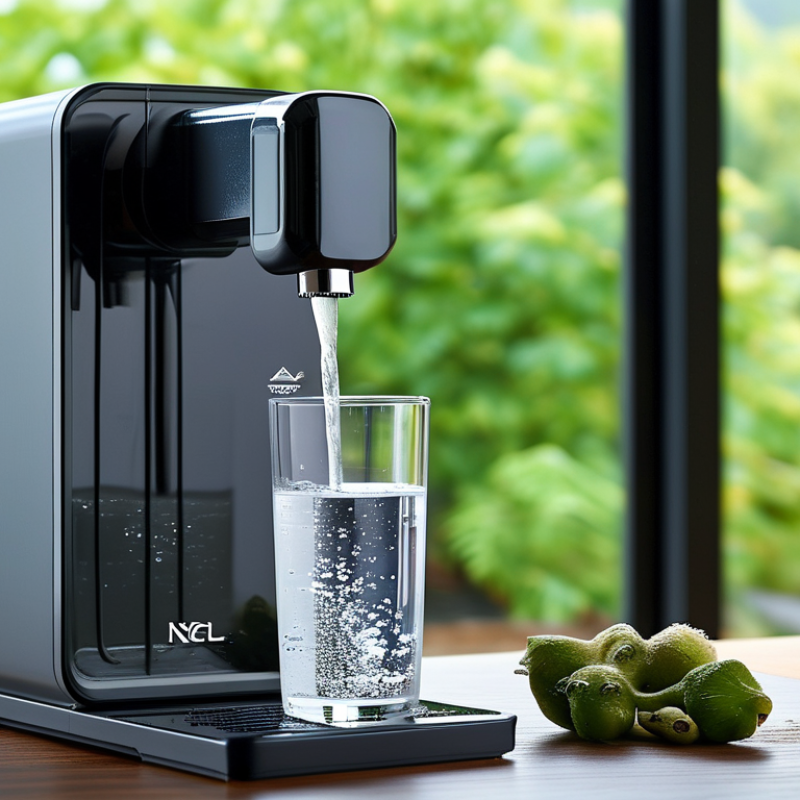
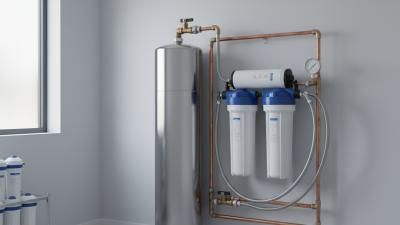
A whole house water filtration system is a point-of-entry treatment unit. It connects to the main supply line, so filtered water reaches showers, kitchen taps, laundry machines, and toilets. Unlike a faucet filter, it treats water before distribution inside the home.
Most systems use several stages. A sediment filter catches sand, rust, and visible particles. Activated carbon can reduce chlorine, odors, and some organic compounds. Specialized media may target iron, hardness, or certain contaminants. However, no single cartridge removes everything. The World Health Organization’s Guidelines for Drinking-water Quality stress risk-based treatment, testing, and ongoing control. The WHO/UNICEF Joint Monitoring Programme reported that 2.2 billion people lacked safely managed drinking water in 2022. That figure shows why source testing matters before equipment selection.
Tips: Test the incoming water first. Check turbidity, hardness, chlorine, metals, and microbial risks. Select certified performance claims, not vague promises. Confirm flow rate and pressure, especially when several showers run together. Replace cartridges on schedule. A neglected filter can become a hygiene concern, not a solution. Buyers sometimes focus on removal percentages and forget maintenance costs. That is an understandable mistake, but it can make a good system perform poorly. EPA and public-health guidance also recommend verifying treatment needs locally, because private wells and municipal supplies present different risks.
How to Identify Household Water Quality and Filtration Needs
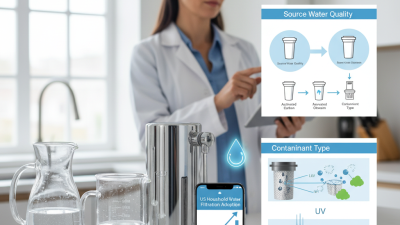
Choosing a whole-house filtration system should begin with evidence, not advertising. Check your local water report and test a sample from the kitchen tap. Private wells need testing for bacteria, nitrates, iron, manganese, hardness, and pH. Municipal supplies may still contain chlorine, sediment, or aging-pipe metals. Water appearance is only a clue. Clear water can still carry invisible contaminants.
Match the filter to the problem. Sediment cartridges help with sand and rust particles. Activated carbon can reduce chlorine, odors, and some organic compounds. A softener targets hardness, while specialized media may address iron or nitrate concerns. Reverse osmosis is usually designed for drinking water, not every household outlet. Check flow rate, pressure loss, replacement costs, and available service support. A system that filters slowly may frustrate a family of five. I once underestimated maintenance time; that mistake made the system less useful.
Tips: Test before you buy. Compare laboratory results with the filter’s certified performance claims. Measure your peak water demand, including showers and laundry. Replace cartridges on schedule. Keep a simple log of dates, pressure changes, odors, and test results. If results conflict, repeat the test with a properly collected sample. Water needs can change after plumbing work, flooding, or seasonal well changes.
Top Whole House Water Filtration Systems for Global Buyers
Choosing a whole-house system starts with identifying the contaminant, not selecting the largest housing. Sediment filters catch sand, rust flakes, and visible particles before they damage valves or heaters. They do not remove dissolved chemicals. Activated carbon reduces chlorine, odors, and many organic compounds. Catalytic carbon can perform better when chloramine is present, but it needs correct sizing and contact time.
Hard water requires different treatment. Ion-exchange softeners reduce calcium and magnesium, although they are not complete filters. Oxidation media can target iron and manganese, especially when stains appear around sinks. These systems may need air injection, backwashing, or careful pH control. For nitrate, fluoride, or high dissolved solids, reverse osmosis is more suitable, but whole-house use can waste water and require strong maintenance. Ultraviolet treatment can inactivate microorganisms after prefiltration. It does not remove chemicals or particles.
Testing matters.
Water conditions vary between regions, buildings, and seasons. A laboratory report is more reliable than taste alone. Buyers should check flow rate, replacement intervals, pressure loss, drainage needs, and local service access. An oversized system may cost more and still perform poorly if media remains unused. I have seen product comparisons focus on filter claims while ignoring installation quality. That is a weak approach. Even advanced equipment cannot correct an inaccurate water analysis or neglected cartridge. Recheck performance after installation, because source water can change.
| Filter Technology | Primary Contaminants Addressed | Typical Filtration or Treatment Range | Best Application | Main Advantages | Important Limitations | Maintenance Considerations |
|---|---|---|---|---|---|---|
| Sediment Filtration | Sand, silt, rust particles, pipe scale and visible suspended solids | Common cartridge ratings range from approximately 1 to 100 micrometres, depending on the filter design | Pre-treatment for municipal or well-water systems | Protects downstream carbon filters, softeners, pumps, valves and water heaters; available as cartridges or backwashing media | Does not remove dissolved chemicals, salts, microorganisms or most metals in dissolved form | Replace cartridges when pressure drops or backwash media according to the manufacturer’s schedule and water loading |
| Granular Activated Carbon (GAC) | Chlorine, taste, odor and some organic compounds | Performance depends on carbon type, empty-bed contact time, flow rate and contaminant concentration | Municipal water containing chlorine and unpleasant taste or odor | Improves taste and odor while reducing chlorine exposure throughout the home | Limited capacity for hardness, nitrate, fluoride, dissolved salts and many inorganic contaminants; exhausted carbon can lose effectiveness | Backwash or replace media as required; sanitization and proper flow control help prevent channeling and microbial growth |
| Catalytic Carbon | Chloramine, chlorine and selected odor-causing organic compounds | Requires adequate contact time; chloramine reduction generally needs more capacity and contact time than free-chlorine reduction | Municipal supplies disinfected with chloramine | Often more suitable than standard GAC for chloramine reduction and can help protect plumbing and fixtures from disinfectant residuals | Does not remove hardness, salts, nitrate or all emerging contaminants; results vary significantly by water chemistry and flow | Backwash and replace media based on capacity, pressure loss and laboratory or field testing |
| KDF or Copper-Zinc Media | May help reduce chlorine and support control of certain metals under suitable conditions | Effectiveness depends on water temperature, pH, oxidation-reduction conditions and contact time | Supplementary treatment or pre-treatment in selected residential systems | Can extend carbon life and tolerate some conditions that may challenge organic media | Not a universal solution for bacteria, hardness, nitrate, fluoride or dissolved salts; performance claims must be verified for the exact model | Inspect media condition, monitor pressure loss and follow the system’s replacement or backwash requirements |
| Ion-Exchange Water Softener | Calcium and magnesium hardness that causes scale | Designed for hardness reduction; capacity is commonly specified in grains or milligrams per litre of calcium carbonate equivalent | Hard groundwater or municipal water with scale problems | Reduces scale formation, improves soap performance and helps protect water heaters and plumbing appliances | Adds sodium or potassium ions; does not reliably remove pathogens, chlorine, sediment or most organic chemicals | Requires salt or potassium chloride, regeneration, brine management and periodic resin or valve inspection |
| Iron and Manganese Oxidation Media | Dissolved iron, manganese and sometimes hydrogen sulfide odor | Requires suitable pH, oxidation conditions, media selection and contact time; exact capacity is water-specific | Private wells with staining, metallic taste or rotten-egg odor | Can reduce orange or black staining and improve taste when correctly sized for the raw-water chemistry | Performance can decline with low pH, high organic matter or competing contaminants; laboratory testing is strongly recommended | Backwashing is usually required; some systems require air injection, chemical regeneration or periodic media replacement |
| Sub-Micron or Ultrafiltration Membrane | Fine particles, bacteria and some protozoa, depending on membrane pore size and integrity | Ultrafiltration commonly uses pores in the approximate 0.01 to 0.1 micrometre range; specifications vary by membrane | Applications requiring fine particulate and microbial barrier treatment without substantial salt removal | Can provide a physical barrier with limited chemical addition and generally lower water waste than reverse osmosis | Does not generally remove dissolved salts, hardness, nitrate or many small dissolved chemicals; membrane fouling is possible | Needs prefiltration, periodic flushing or cleaning and replacement when integrity or flow declines |
| Ultraviolet (UV) Disinfection | Bacteria, viruses and other microorganisms that are exposed to the required UV dose | Effectiveness depends on UV dose, transmittance, flow rate, lamp output and water clarity | Well-water systems with microbiological risks after sediment pre-treatment | Disinfects without adding chemicals and does not alter water taste, hardness or mineral content | Does not remove sediment, chemicals, metals or salts; treated water is not protected from recontamination after the UV chamber | Replace the lamp generally on an annual schedule or according to the manufacturer; clean the quartz sleeve and maintain prefiltration |
| Whole-House Reverse Osmosis (RO) | Dissolved salts, total dissolved solids, nitrate, fluoride, arsenic and selected dissolved contaminants | Membrane rejection commonly falls within approximately 90% to 99% for many dissolved constituents, but varies by contaminant and operating conditions | Severe dissolved-contaminant problems requiring high-purity water throughout a property | Broad reduction of many dissolved contaminants when properly designed and monitored | Higher cost and complexity; produces reject water, requires pretreatment and may reduce flow; not normally the first choice for ordinary municipal water | Replace pretreatment cartridges, monitor membrane performance, sanitize the system and manage concentrate discharge |
| Specialty Adsorptive Media | Targeted contaminants such as arsenic, fluoride, lead, mercury, PFAS or nitrate, depending on the certified media | Highly dependent on pH, competing ions, contaminant concentration, flow rate and media capacity | Water supplies with a confirmed contaminant that requires targeted treatment | Can be highly effective when the media is specifically matched to the contaminant and water chemistry | Not interchangeable between contaminants; untreated breakthrough may occur without monitoring or correctly sized capacity | Follow capacity-based replacement requirements and test raw and treated water where the contaminant presents a health concern |
Selection should be based on a current laboratory water analysis, peak flow rate, daily water demand, local plumbing requirements and independently verified performance claims. No single whole-house technology removes every contaminant, and treatment systems should be certified to an applicable standard when certification is available.
Top Whole House Water Filtration Systems for Global Buyers
System capacity should match real household demand, not just the advertised tank size. Check peak flow rate, inlet pressure, and the number of bathrooms used together. A family may need higher capacity during morning showers and laundry cycles. Water quality also matters. Sediment-heavy sources can clog filters faster than treated municipal water. Ask for tested performance data, including contaminant reduction and pressure-loss figures. Certification from recognized testing bodies adds useful confidence, although no certificate replaces local water analysis.
Installation can be simple or difficult. Confirm pipe size, available space, drainage access, and electrical requirements before ordering. Some systems need a bypass valve, floor drain, or professional plumbing work. Local building rules may also affect placement. Maintenance is equally important. Compare cartridge prices, replacement frequency, cleaning steps, and service availability in your country. A system that looks affordable may become expensive after two years. Real household use is messier than a spreadsheet.
Tips: Measure carefully. Request a written maintenance schedule. Keep spare filters in a dry place. Record pressure readings before and after replacement. Do not rely only on marketing claims; request independent test documents. If the water source changes seasonally, retest it. Small details matter. A slightly oversized system may waste space, while an undersized unit can cause weak flow and frequent replacements. There is no perfect setup, so leave room to review your choice after several months of use.
How to Compare System Capacity, Installation, and Maintenance
These planning benchmarks represent typical residential whole-house systems. Rated flow is shown in gallons per minute, installation is estimated in labor hours, and annual maintenance covers common replacement filters, media, salt, or UV lamps. Actual performance depends on water quality, household demand, plumbing size, and local labor rates.
Choosing whole house filtration options for global buyers requires more than comparing flow rates. Water quality changes sharply between regions, even within one country. A rural home may receive well water with iron and sediment, while a coastal apartment may face chlorine and hard-water scale. I have seen poorly sized systems reduce shower pressure within weeks. Testing the incoming water first is essential.
Sediment prefilters protect later stages from sand, rust, and visible particles. Activated carbon can reduce chlorine, unpleasant odors, and several organic contaminants. For hard water, a separate softening stage may help protect heaters, taps, and washing machines. Homes using untreated wells may also consider ultraviolet treatment after fine filtration. It works best when the water is clear and properly tested.
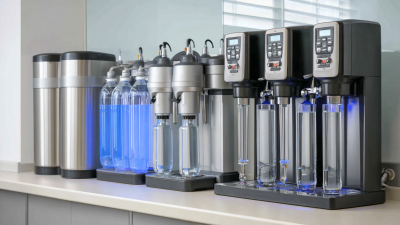
Global buyers should check replacement cartridge availability, connection standards, service support, and operating temperature limits. A system with expensive imported parts may become impractical after one replacement cycle. Stainless steel housings offer durability, but they can increase cost and installation weight. Plastic housings are lighter, yet quality varies greatly. Flow capacity must match peak demand, especially when several bathrooms run together.
Certification documents can support trust, but they do not replace local water testing. I would avoid choosing a system from appearance alone. That mistake is easy to make. Clear maintenance instructions, pressure gauges, bypass valves, and leak-resistant fittings often matter more than polished marketing. The right configuration may be less impressive, but easier to maintain.