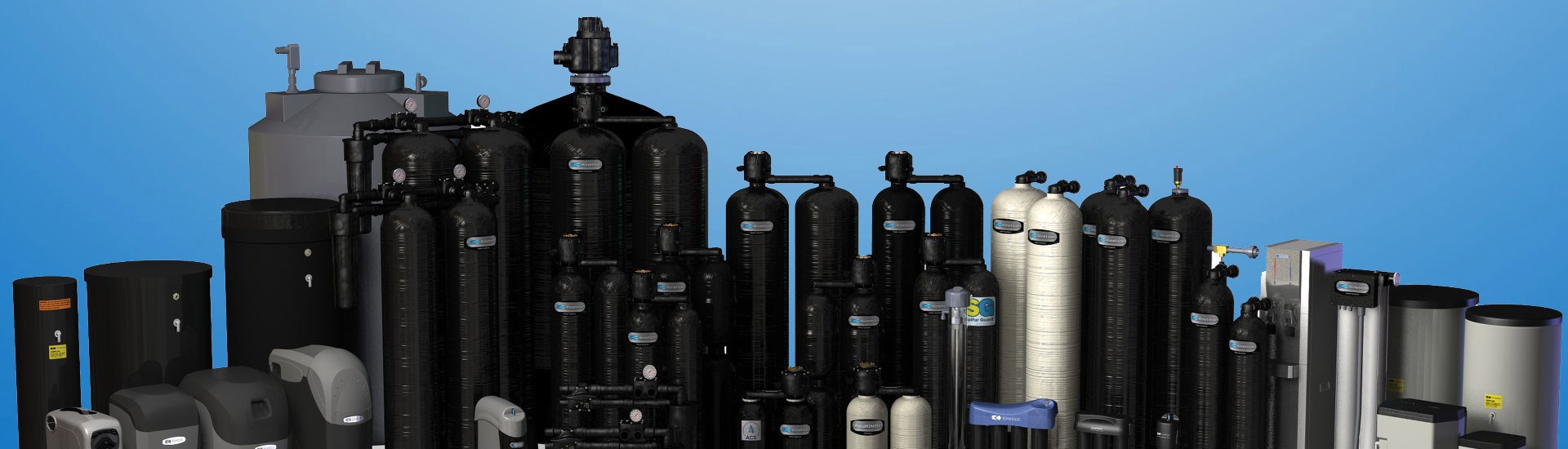
Choosing a reliable whole house water filter manufacturer requires more than comparing prices or product photos. China has a broad manufacturing base, serving residential, commercial, and light industrial water treatment markets. This guide examines ten notable manufacturers through practical and verifiable criteria, including production experience, filtration technology, quality control, customization, and export capability.
A strong supplier should explain its filtration media clearly. It should also provide flow-rate data, pressure limits, replacement intervals, and installation guidance. Certifications and laboratory reports matter, but they should match the specific product model. Factory audits, sample testing, and customer feedback can reveal details that brochures often miss. Stainless steel housings, reinforced plastic components, pressure gauges, and accessible filter cartridges are useful details during evaluation. They affect daily maintenance and long-term operating costs.
No ranking is perfect.
Manufacturing capabilities can change quickly, and public information may remain incomplete. Therefore, buyers should confirm current certificates, factory addresses, testing records, and warranty terms before placing an order. This article offers a structured starting point rather than a final purchasing decision. It considers how each company supports different water conditions, household sizes, and project requirements. Readers should also test their source water, because chlorine, sediment, hardness, iron, and microbial risks require different treatment strategies. A polished catalog cannot replace a proper water analysis. That small distinction is easy to overlook.
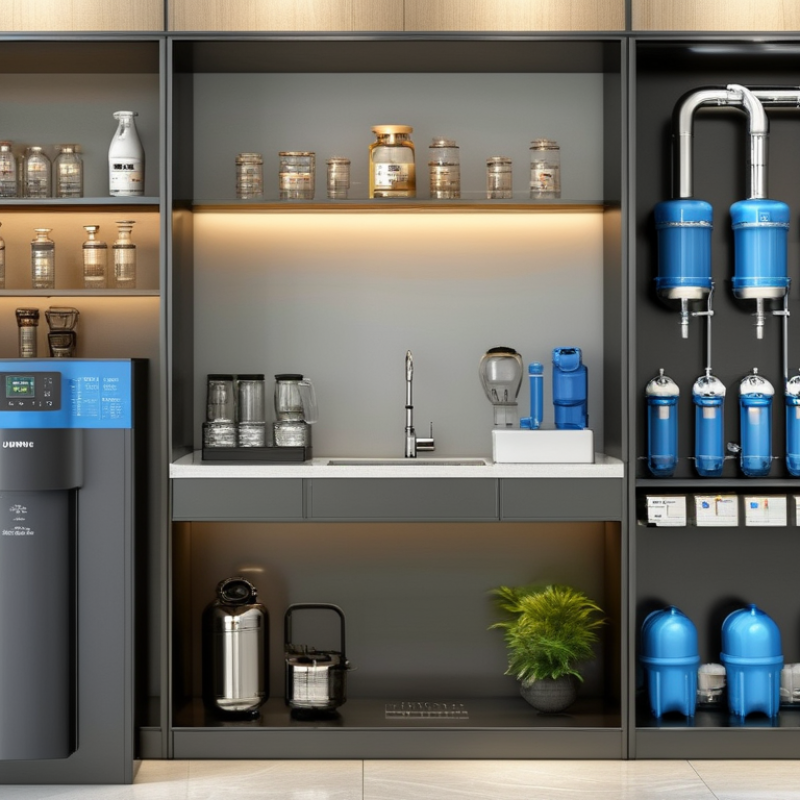
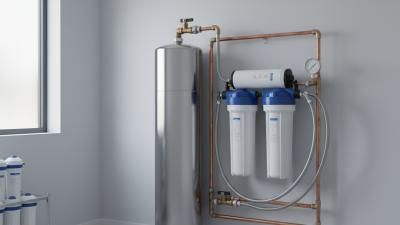
A whole house water filter is a point-of-entry system installed where water enters your home. It treats water before it reaches showers, sinks, washing machines, and heaters. Unlike a small drinking-water filter, it serves every outlet. The system may reduce sediment, chlorine, unpleasant odors, or selected contaminants. Its performance depends on the filter media, water quality, and flow rate. It does not automatically remove everything.
In practical installations, sediment filters often catch sand, rust, and visible particles first. Carbon media can improve taste and reduce chlorine odors. Some systems use specialized media for hardness, iron, or other measured problems. A laboratory water test should guide the choice. Guessing can waste money and lower water pressure. Filter size matters too. An undersized unit may struggle during showers or laundry cycles. Maintenance is not optional. Cartridges need timely replacement, and housings should be checked for leaks.
Tips: Check your local water report and test private well water regularly. Measure incoming pressure and peak household flow before buying. Choose food-contact materials with recognized safety testing. Keep a replacement schedule near the filter, not hidden in a drawer. Watch for cloudy water, unusual smells, or sudden pressure loss. These signs need investigation. A whole house filter can improve daily water use, but it may need support from softeners, disinfection, or separate drinking-water treatment. Even good equipment has limits.
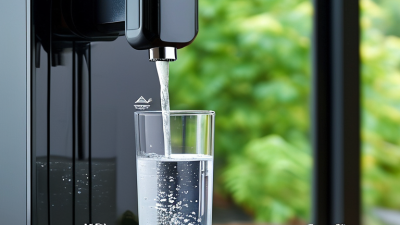
Evaluating China’s top whole house water filter manufacturers requires more than comparing product photos or factory size.
Practical experience starts with the production line. Inspectors should check housing assembly, sealing quality, media filling, and pressure testing. A clean workshop matters, but it does not prove consistent performance. Batch records, incoming material checks, and traceable serial numbers offer stronger evidence.
Technical expertise is measured through real specifications. Review flow rates at stated pressure, cartridge life, pressure-drop data, and test methods for each claimed contaminant. Ask whether testing uses independent laboratories and current standards. Sample units should be tested before large orders. Small details matter. A loose thread can cause leakage. Poorly packed media can reduce filtration efficiency. Published figures may also change under household conditions, so claims need cautious interpretation.
Authority comes from documented projects, trained engineers, and transparent quality procedures, not impressive marketing language.
Reliability includes delivery history, spare-part availability, warranty terms, and responsive technical support. I would compare inspection results from several production batches, because one successful sample can be misleading. Factory audits can miss problems between visits. That weakness deserves attention. A dependable evaluation records both strengths and gaps, then checks whether the manufacturer responds with evidence, corrective action, and measurable improvements.
China’s top ten whole house water filter manufacturers differ in scale, equipment, and technical focus. Some operate automated factories with injection molding, pressure testing, and cartridge assembly lines. Others remain smaller specialists serving custom projects. That difference matters.
Several manufacturers focus on sediment filters for visible particles, while others develop activated carbon, ultrafiltration, or reverse osmosis systems. Reliable suppliers normally provide flow-rate data, pressure limits, replacement intervals, and material specifications. They should also explain how their systems perform with hard water, high sediment, or changing inlet pressure. Clear documentation is a strong sign of professional practice.
Many established manufacturers support OEM and private-label production. Their services may include housing design, logo printing, packaging, and installation guidance. Export experience can also improve communication about testing, shipping, and regional compliance. However, factory size alone proves little. A polished showroom cannot replace batch records or independent test reports. Buyers should request samples and inspect seals, connectors, drainage valves, and cartridge fit. Small details cause costly failures.
The strongest profiles usually combine engineering teams, stable supply chains, and responsive technical support. Some invest in water-quality laboratories and product improvement. Others compete through flexible minimum orders and faster customization. Not every supplier performs equally across every model. That is worth remembering. A careful comparison should examine certification validity, warranty terms, spare-part availability, and actual operating results before selecting a long-term manufacturing partner.
| Profile | Typical Manufacturer Focus | Main Whole-House Configuration | Common Treatment Media | Typical Flow Range (m³/h) |
Typical Inlet Size | Serviceable Filter Type | Common Compliance Reference |
|---|---|---|---|---|---|---|---|
| 01 | Residential point-of-entry filtration | Sediment prefilter plus activated-carbon vessel | Polypropylene, granular activated carbon, catalytic carbon | 1.0–3.0 | 3/4–1 in | Replaceable cartridge or media refill | NSF/ANSI 42; ISO 9001 manufacturing systems |
| 02 | High-sediment municipal and well-water systems | Backwashing multimedia filter with optional carbon stage | Quartz sand, anthracite, garnet, activated carbon | 2.0–6.0 | 1–1.5 in | Automatic backwash media bed | NSF/ANSI 42 for applicable reduction claims |
| 03 | Hard-water treatment equipment | Ion-exchange softener with sediment protection | Strong-acid cation resin, brine regeneration media | 1.5–5.0 | 3/4–1.5 in | Regenerable resin tank | NSF/ANSI 44; local drinking-water requirements |
| 04 | Compact cabinet-style household systems | Integrated sediment, carbon and softening unit | PP sediment media, carbon block, ion-exchange resin | 1.0–2.5 | 3/4–1 in | Cartridge and regenerable media | NSF/ANSI 42 and 44 where certified |
| 05 | Whole-house ultrafiltration equipment | UF membrane module with prefiltration | PP sediment media, activated carbon, hollow-fiber UF membrane | 1.0–3.0 | 3/4–1 in | Flushable or replaceable membrane | NSF/ANSI 53 or 58 only when specifically certified |
| 06 | Whole-house reverse-osmosis system integration | Pretreatment, RO membrane, storage and booster pump | Sediment cartridge, activated carbon, thin-film composite RO membrane | 0.2–1.5 | 3/4–1 in | Replaceable cartridges and membrane | NSF/ANSI 58 for certified RO performance |
| 07 | Iron, manganese and odor-control systems | Oxidation or catalytic filtration with backwash control | Catalytic carbon, manganese dioxide media, oxidation media | 2.0–6.0 | 1–1.5 in | Backwashing media tank | Performance validated by site-specific water testing |
| 08 | Commercial-grade residential filtration | Multi-vessel pretreatment and carbon filtration | Multimedia bed, activated carbon, ion-exchange resin | 4.0–12.0 | 1.5–2 in | Automatic backwash or bulk media replacement | ISO 9001; application-specific testing |
| 09 | OEM and private-label filtration production | Modular cartridge housings and customized media systems | PP, carbon block, GAC, resin and specialty media | 0.5–5.0 | 1/2–1.5 in | Standard or customized replaceable cartridges | Material and product certification according to target market |
| 10 | Smart and automated water-treatment systems | Sensor-controlled filtration, softening or disinfection | Carbon, resin, membrane and optional ultraviolet disinfection | 1.0–5.0 | 3/4–1.5 in | Cartridge, regenerable media or membrane | Electrical safety and market-specific drinking-water standards |
Note: Flow rates and connection sizes are representative ranges commonly specified for whole-house systems. Actual performance depends on water quality, pressure, temperature, media loading, installation design and certification scope.
China’s top whole house water filter manufacturers increasingly combine several treatment technologies in one system. Sediment cartridges trap sand, rust, and pipe debris before water reaches the home. A 5-micron filter is common, but actual performance depends on water pressure and cartridge quality. Activated carbon then reduces chlorine, odors, and some organic compounds. It also improves taste.
Ultrafiltration membranes can retain fine particles and many microorganisms without removing useful minerals. Reverse osmosis provides deeper purification, but it produces wastewater and may reduce flow. It is not ideal for every household. Ultraviolet chambers offer another protection layer by exposing water to germicidal light. However, UV cannot remove dirt, metals, or chemical pollutants. The water must be clear first.
Smart models use pressure sensors, flow meters, and filter-life alerts. Some systems also monitor leaks near the inlet valve. These details matter in basements and utility rooms. From practical installation experience, poor drainage and undersized pipes often weaken an otherwise capable filter. Maintenance is easy to underestimate. Replace cartridges on schedule, sanitize suitable components, and test water when source conditions change. No system is perfect. Independent laboratory testing, clear performance data, and compliance with recognized standards are stronger evidence than attractive specifications. Manufacturers that explain limitations usually appear more reliable than those promising universal purification.
Choosing a Chinese whole house water filter manufacturer requires more than comparing prices. Start by checking factory ownership, production capacity, and quality-control procedures. A reliable supplier should provide recent test reports, material specifications, and clear certifications for the target market. Ask whether filter housings use certified food-contact materials. Request photos of injection molding, assembly, and pressure testing. Details matter.
Match the manufacturer to your water conditions. Municipal water, well water, and high-sediment supplies need different filtration designs. Confirm rated flow, pressure limits, connection sizes, and cartridge replacement intervals. A supplier should explain these figures in plain language. Ask for a sample unit and test it under realistic pressure. Laboratory results alone may not show leakage after repeated use. That is an easy detail to miss.
Review traceability before signing a contract. Each batch should have inspection records, component codes, and a documented process for handling defects. Check whether the engineering team can adjust housings, valves, or media without weakening safety controls. Reliable communication matters too. Request response times, warranty terms, spare-part availability, and installation guidance. A polished website proves little. An audit, sample test, and consistent documentation provide stronger evidence. Some buyers focus too heavily on unit cost. That can create expensive replacement problems later. Good decisions usually come from questioning assumptions, including your own.