Why Choose a Home Filtration System?
Why Choose a Home Filtration System?
Clean water often looks ordinary. Yet a glass from your kitchen tap may contain chlorine, sediment, minerals, or trace contaminants. These substances can vary by location, plumbing age, and water source. A home filtration system offers a practical way to address some of those concerns at the point of use.
Water treatment expert Rick Andrew has stated, “There is no one-size-fits-all solution for water treatment.” That principle matters. A carbon filter may improve taste and odor, while a reverse osmosis system can reduce several dissolved substances. Ultraviolet treatment may help control microorganisms, but it does not remove chemicals. The right choice depends on a certified water test, not attractive packaging.
A reliable system should match the actual problem. Look for recognized certification, clear performance data, and replacement-filter guidance. NSF certification can support confidence, but it does not mean every model removes every contaminant. Read the specific claim. Check the maintenance schedule. A neglected filter can become less effective, and sometimes unhygienic.
Think about the first morning glass. Does it taste metallic? Does white scale collect around the kettle? These details can guide further testing, though they cannot prove water safety. That limitation is easy to overlook.
A home filtration system can improve drinking-water quality, convenience, and household confidence. It is not a magic shield. Proper testing, installation, and regular maintenance make the decision more trustworthy. Even then, reassess the system when water conditions change.
What Is a Home Filtration System?
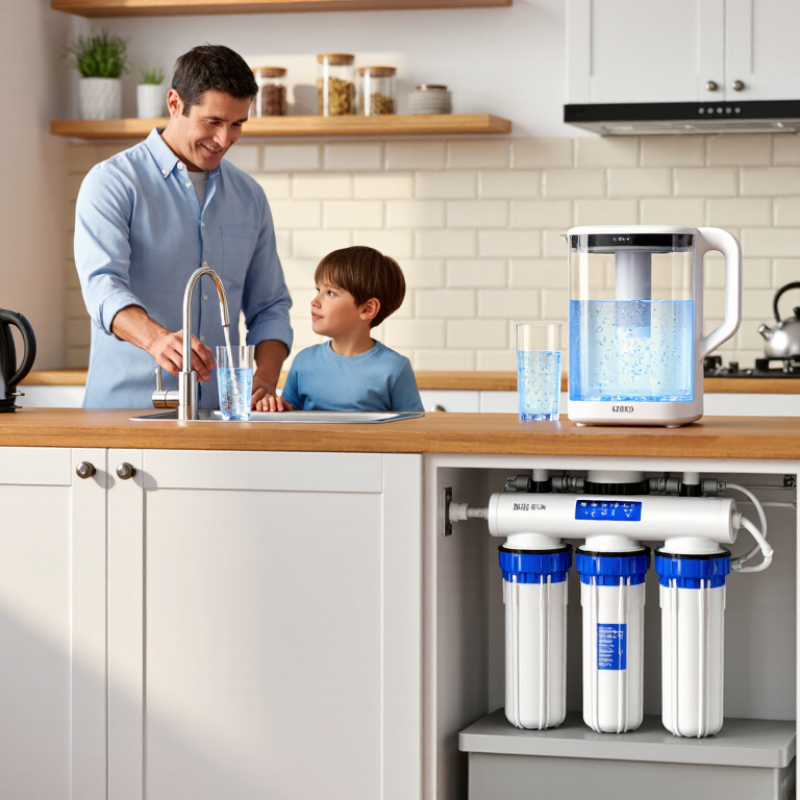
A home filtration system is equipment that improves water quality inside a house. It removes or reduces selected impurities before the water reaches a tap. Some systems serve the whole building. Others sit beneath one sink or attach to a drinking-water line. Common stages include sediment filters, activated carbon, and membrane filters. Sediment media catch particles such as sand and rust. Carbon can reduce chlorine, odors, and certain organic compounds. Membranes may target dissolved substances, but their performance depends on design and water pressure. It is not a universal shield.
The right system starts with the water source. A recent laboratory test can identify issues that taste and appearance cannot reveal. For example, cloudy water may involve sediment, while a metallic taste may need different treatment. Filtration does not always disinfect water, and one cartridge cannot remove every contaminant. Check technical claims against recognized testing standards, not only advertising language. Flow rate matters too. A very fine filter may slow a kitchen tap noticeably.
Maintenance is part of the system, not an optional detail. Replace cartridges according to measured use, manufacturer guidance, or test results. Wash reusable housings carefully, inspect seals, and watch for small leaks under the cabinet. A filter can look clean while its capacity is exhausted. I once assumed clear water meant safe water; that was an incomplete judgment. Keeping a simple replacement record feels excessive, but it prevents forgotten cartridges and uncertain water quality.
Which Water Contaminants Can It Remove?
A home filtration system can target contaminants that municipal treatment or household plumbing may leave behind. The right choice depends on the water report, not marketing claims.
Sediment filters capture sand, rust, and visible particles.
Activated carbon can reduce chlorine, unpleasant tastes, odors, and some organic chemicals.
Certified carbon systems may also reduce lead, depending on their tested performance.
The U.S. Environmental Protection Agency’s 2024 PFAS rule set limits of 4.0 nanograms per liter for PFOA and PFOS.
Some reverse osmosis systems can reduce these compounds, but certification for the specific contaminant matters.
Never assume broad removal.
Reverse osmosis may reduce arsenic, nitrate, fluoride, lead, and dissolved salts.
The World Health Organization lists 10 micrograms per liter as its guideline value for arsenic in drinking water.
Ultraviolet treatment can inactivate certain microorganisms, yet it does not remove metals, chemicals, or sediment.
That distinction is easy to miss.
Filtration also depends on cartridge age, water pressure, and installation quality.
A neglected filter can become a poor safeguard.
The EPA recommends checking local water-quality reports and selecting products tested under relevant NSF/ANSI standards.
In practice, a certified system with timely replacement is more reliable than an impressive label.
Testing private well water remains essential, because contamination can vary across seasons and properties.
How Do Different Filtration Technologies Work?
Choosing a home filtration system starts with understanding what each technology can actually remove. Sediment filters trap visible particles, such as sand, rust, and loose pipe debris. They do not remove dissolved chemicals. Activated carbon works differently. Its porous surface can reduce chlorine, unpleasant odors, and selected organic compounds. Performance depends on contact time and cartridge condition. A stale smell may signal maintenance, not stronger filtration.
Reverse osmosis pushes water through a semipermeable membrane under pressure. It can reduce many dissolved salts, metals, and other contaminants, but it also produces wastewater. The membrane needs suitable pressure and prefiltration. Without those conditions, water production may slow noticeably. Ultraviolet systems use light to inactivate microorganisms. They do not remove sediment or dissolved substances. Cloudy water can block the light and weaken treatment.
Ion exchange systems replace specific dissolved ions, often targeting hardness or certain metals. Their resin eventually becomes exhausted and needs replacement or regeneration. In real homes, the best choice follows a water test, household usage, and plumbing limits. Independent performance testing offers more reliable evidence than taste alone. A practical mistake is treating clear water as clean water. That shortcut can fail. Maintenance remains the less exciting part. Miss a cartridge change, and performance may quietly decline.
How to Choose a System for Your Household
Choosing a home filtration system starts with your water, not a colorful product label.
Obtain a recent utility report, then test private-well water through an accredited laboratory. Testing can reveal lead, nitrates, bacteria, hardness, or unpleasant odors that ordinary taste cannot identify. Clear water is not automatically safe.
Match the system to the problem.
For drinking and cooking, an under-sink unit may provide focused treatment with less maintenance. A whole-house system suits households concerned about sediment, chlorine smell, or scale throughout the plumbing.
Check the certified contaminant claims, flow rate, replacement-filter cost, and installation requirements. A system that slows the kitchen tap may become frustrating quickly.
Maintenance deserves honest attention.
Set calendar reminders, inspect connections for leaks, and replace cartridges according to test results and manufacturer guidance. Neglected filters can reduce performance and may affect water quality.
Do not assume one filter removes everything. It usually does not.
Consider household size, daily water use, children, pets, and future renovations before buying. A practical mistake is choosing maximum filtration when a simpler solution would work. The best decision may feel less impressive, but it should be measurable, serviceable, and suitable for your actual water.
How to Install, Maintain, and Evaluate Filtration Costs
Why Choose a Home Filtration System?
Installation should begin with evidence, not advertising. Check your utility’s annual water quality report and test private-well water through an accredited laboratory. The World Health Organization’s Guidelines for Drinking-water Quality, 2022, stresses that treatment must match local hazards. A carbon filter may improve taste and chlorine levels, but it will not address every contaminant. Choose certified performance for the specific reduction claim. NSF/ANSI standards can help verify those claims.
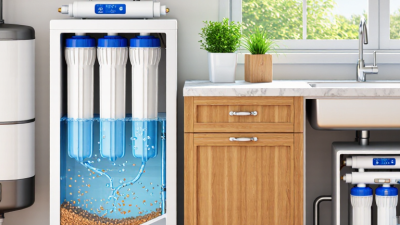
Keep the installation practical. A point-of-use unit under the sink usually needs a shutoff valve, tubing, space for cartridge replacement, and protection from leaks. Follow the manufacturer’s flow direction and record the installation date. Replace cartridges according to measured capacity or water quality, not appearance alone. Dirty housings can become a problem. The U.S. Centers for Disease Control and Prevention advises regular maintenance because poorly maintained filters may reduce water quality. I would also inspect connections after the first day and again after one week.
Evaluate cost over several years, not at checkout. Add equipment, labor, cartridges, testing, electricity, wastewater, and occasional parts. The U.S. EPA’s 2023 WaterSense data emphasizes that efficiency depends on real operating conditions, not product labels alone. Compare cost per treated gallon and replacement frequency. A cheaper cartridge can require earlier replacement. That calculation is easy to overlook. Keep receipts and test results; household water use changes, and an old estimate may no longer fit.
Why Choose a Home Filtration System?
Installation, maintenance, and estimated five-year ownership costs for common residential filtration options.
Under-sink carbon filters generally have the lowest upfront cost, while whole-house systems provide treatment at multiple points of use. Reverse osmosis systems typically require more frequent filter changes and may use additional water during treatment. Values are realistic U.S. residential planning estimates in USD; actual costs vary by home size, water quality, labor rates, and replacement schedule.