What Are Water Treatment Systems?
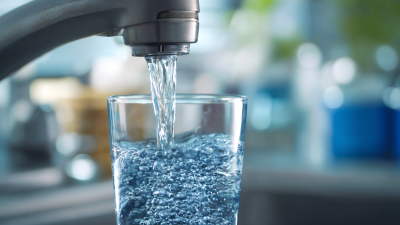
Water treatment systems make raw water safer and more suitable for its intended use. They can serve a single home, a community, or an industrial facility. Depending on the source and water quality, treatment may combine screening, filtration, chemical adjustment, and disinfection. Think of a glass filled at a kitchen tap: its clarity alone cannot show what has been removed, or what remains.
The need is substantial. The WHO and UNICEF Joint Monitoring Programme reported that 2.2 billion people lacked safely managed drinking-water services in 2022, in its 2023 report, Progress on Household Drinking Water, Sanitation and Hygiene 2000–2022. That gap matters. Water treatment systems help address health risks, but no single design works everywhere. Groundwater may contain dissolved minerals, while surface water can carry sediment and microorganisms. Reliable system selection therefore begins with water testing, an understanding of local conditions, and a clear definition of the required outcome. Treatment claims should also be checked against independent testing and the applicable performance standards. A filter that improves taste may not remove every health-related contaminant; that distinction is easy to miss. Even well-designed equipment needs proper installation, maintenance, and periodic checks. This overview explains what water treatment systems are, how their main stages work, and what to consider before choosing one.
Definition and Purpose of Water Treatment Systems
A water treatment system is a set of processes that makes water suitable for a particular use, such as drinking, cooking, or industrial production. Its purpose is to reduce contaminants and health risks, not to make every water source identical. Depending on local conditions, treatment may include screening, coagulation, settling, filtration, and disinfection. A clear glass is not proof of safe water.
The right process depends on what is in the source. Surface water may contain sediment and microorganisms, while groundwater can carry dissolved minerals or other contaminants. Municipal plants treat water for many households; smaller systems may serve a building or treat water at a single tap. No single filter removes everything, and performance depends on correct installation and maintenance. That part is easy to overlook.
The WHO/UNICEF Joint Monitoring Programme’s 2023 report found that 2.2 billion people lacked safely managed drinking water in 2022. This category considers whether water is available when needed, on premises, and free from contamination. It does not mean treatment alone can solve every access problem.
For operators and households, testing the source and treated water helps show whether a system is working as intended. Real conditions can change, so one test is not always enough.
How Water Treatment Systems Work
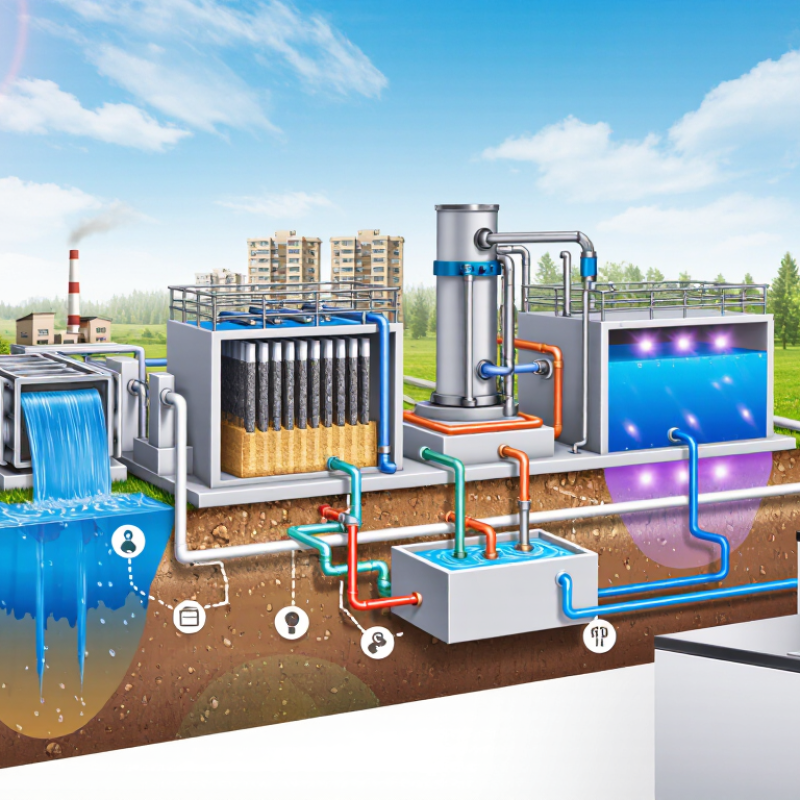
Water treatment systems turn raw water into water that meets defined quality standards through several controlled steps. At a municipal plant, screens catch leaves and debris before coagulants help tiny particles clump into visible floc. The water then moves slowly through settling basins. Sand or other filter media trap remaining particles, and disinfection reduces harmful microorganisms. Operators monitor measures such as turbidity, pH, and disinfectant levels throughout the process. It is not magic. Each step targets different risks, and treatment choices depend on the source water.
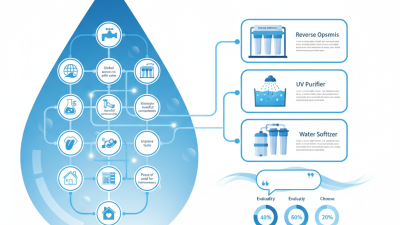
Some homes use smaller systems instead. Activated carbon can reduce certain tastes and odors, while membranes can separate many dissolved substances; neither method removes every contaminant. A cloudy glass alone cannot tell you whether water is safe. The WHO/UNICEF Joint Monitoring Programme reported that 2.2 billion people lacked safely managed drinking water in 2022, underscoring how much safe supply depends on reliable infrastructure. In the United States, the EPA’s 2023 Drinking Water Infrastructure Needs Survey estimated $625 billion in needs over 20 years. Those figures describe access and investment, not a guarantee that every treatment process works perfectly. Even well-run systems need testing, maintenance, and honest attention to what their filters cannot remove.
Key Stages in the Water Treatment Process
What Are Water Treatment Systems?
Key Stages in the Water Treatment Process
Water treatment begins with an assessment of the source. Lakes, rivers, and wells carry different amounts of sediment, minerals, and microorganisms. Operators test samples before choosing treatment steps. There is no single recipe.
At the intake, screens catch leaves, sticks, and other debris. Coagulants may then help tiny suspended particles clump together. Gentle mixing encourages these flocs to grow. In settling tanks, gravity pulls much of the material downward. It can look like muddy snow. The water then passes through filters, often containing layers of sand or other media, that capture smaller particles.
Disinfection reduces disease-causing microorganisms, commonly through carefully controlled chemical treatment or ultraviolet light. Some systems also adjust pH to limit corrosion in pipes. That detail matters: water can look clear and still need treatment. Operators check measurements throughout the process, including turbidity and disinfectant levels, and adjust conditions when results shift. Source water changes after storms, and treatment may need to respond. Filters also require maintenance; in practice, their performance is not always perfectly predictable. Regular sampling helps reveal problems that a quick visual check would miss.
Uses and Selection Factors for Water Treatment Systems
What Are Water Treatment Systems?
Uses and Selection Factors for Water Treatment Systems
Water treatment systems remove or reduce unwanted particles, chemicals, microbes, or minerals for a specific use. A household may need protection from sediment or a particular contaminant; a clinic or factory may need tightly controlled water quality. Needs vary. The WHO/UNICEF Joint Monitoring Programme reported that 2.2 billion people lacked safely managed drinking water in 2022. That figure reflects access challenges, not a single treatment gap, but it shows why local water testing matters.
Match the treatment method to test results, daily demand, and intended use. A sediment filter can catch visible grit, while disinfection targets microbes; neither solves every problem. Test first. Taste and clarity are not reliable safety checks. The UNESCO World Water Development Report 2024 estimates that agriculture accounts for about 70% of global freshwater withdrawals. For larger users, this makes flow capacity, water reuse, and the system’s waste stream practical selection factors—not footnotes.
Check operating costs, replacement intervals, energy needs, and whether the treated water must meet a defined quality standard. Ask for independent performance data relevant to the contaminants found in your sample. Maintenance matters. In real buildings, feed water can vary, and a technically suitable system may still underperform if filters are overdue or flow is too high. A common mistake is choosing by taste alone; it feels convenient, but can overlook invisible contaminants.