China has become a major manufacturing base for water purification systems, serving homes, hospitals, factories, hotels, and municipal projects. The opportunity is substantial. The WHO and UNICEF Joint Monitoring Programme reported in 2024 that 2.2 billion people lacked safely managed drinking water in 2022. That figure highlights a continuing need for reliable treatment, not merely attractive equipment.
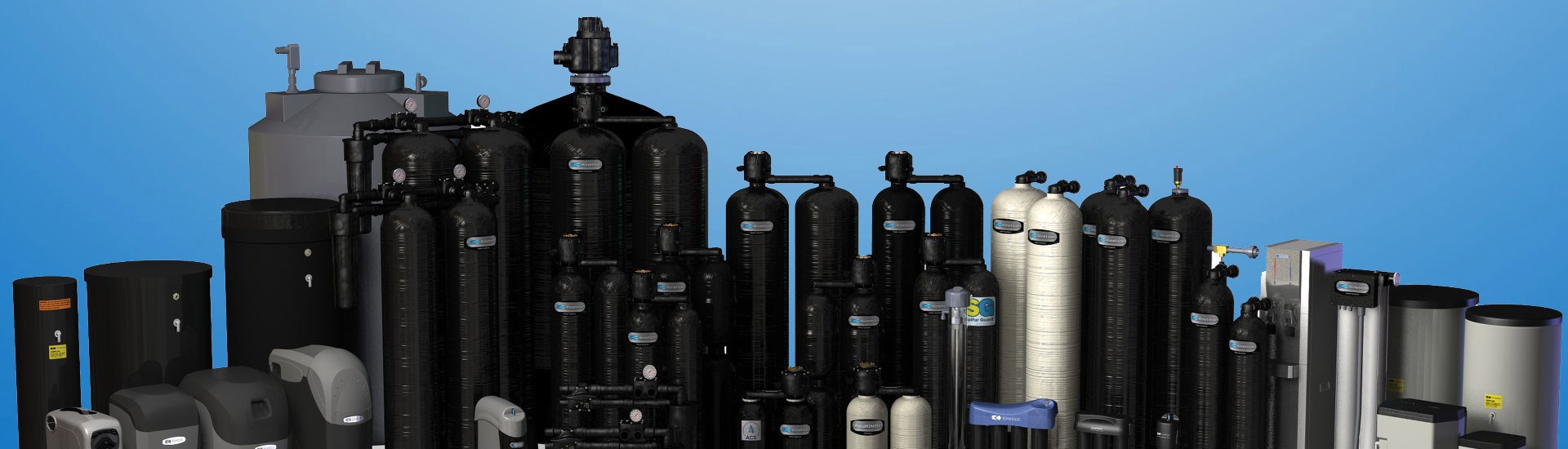
China’s strongest manufacturers typically combine reverse osmosis, ultrafiltration, ultraviolet disinfection, activated carbon, and smart monitoring. Their real capabilities differ widely. Some operate automated membrane-testing lines, while others depend heavily on outsourced components. Buyers should examine certification records, contaminant-removal data, replacement-filter costs, factory audits, and after-sales support. A polished website proves little.
Water researcher Peter Gleick once said, “The world’s water crisis is not about having too little water to satisfy our needs. It is a crisis of managing water badly.” His observation remains relevant to modern water purification systems. The best Chinese suppliers do more than reduce turbidity inside a stainless-steel housing. They document flow rates, pressure limits, maintenance intervals, and performance under changing feedwater conditions. That practical evidence matters.
No ranking is perfect. Regional water chemistry can change results. A system tested in Shanghai may perform differently in a rural installation with iron, hardness, or microbial contamination. Therefore, this guide compares China’s leading manufacturers through technical experience, production capacity, certifications, customization, service networks, and transparent performance evidence. The final choice should follow an independent water analysis, not marketing claims alone.
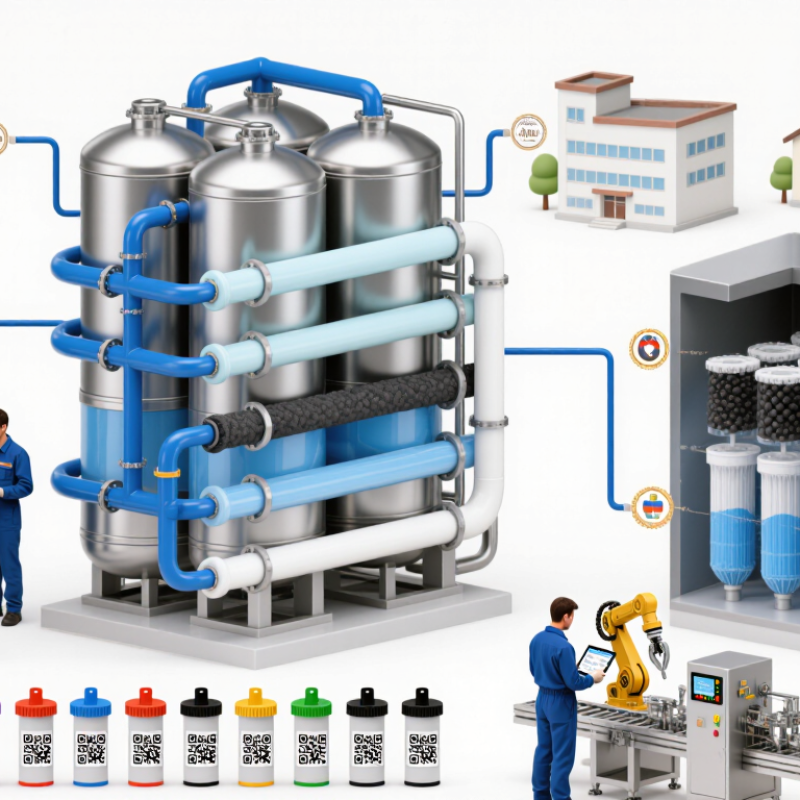
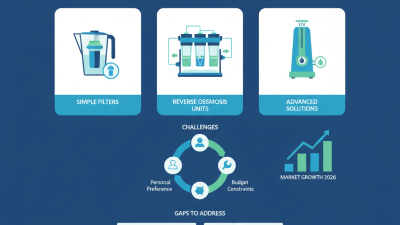
China manufactures a broad range of water purification systems for homes, factories, hotels, and municipal projects. Reverse osmosis systems remove dissolved salts, heavy metals, and many microorganisms. Ultrafiltration systems use hollow-fiber membranes to reduce suspended solids and bacteria. They usually retain useful minerals. Activated carbon units improve taste, odor, and chlorine control before membrane treatment. No system is perfect.
For larger facilities, Chinese manufacturers commonly produce skid-mounted RO units, containerized treatment plants, and seawater desalination equipment. Ultraviolet systems provide chemical-free disinfection after filtration. Ozone systems can control odor and oxidize certain organic compounds.
Ion exchange equipment is often selected for softening or demineralization. Electrodeionization may support high-purity water production for laboratories and electronics operations.
A reliable supplier should provide flow-rate calculations, membrane specifications, electrical drawings, and water-quality testing records. During equipment evaluation, check the source water first. A system designed for clean groundwater may fail quickly with oily wastewater or high iron levels. Operators also need practical training, spare parts, and clear maintenance schedules. In field use, oversized pumps can waste energy, while undersized pretreatment can shorten membrane life. These details are sometimes overlooked. Procurement teams should compare recovery rate, cleaning requirements, control logic, and after-sales response instead of focusing only on purchase price.
China Top Water Purification Systems Manufacturers?
Key Technologies Used by Chinese Water Purification Manufacturers
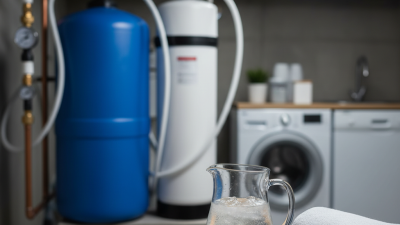
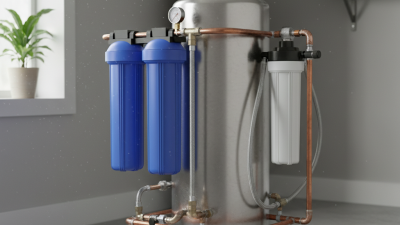
Chinese water purification manufacturers commonly combine sediment filtration, activated carbon, ultrafiltration, and reverse osmosis. Each stage targets a different water problem. Sediment filters capture sand and rust before they damage later components. Activated carbon reduces chlorine, odors, and many organic compounds. Ultrafiltration uses fine membranes to remove suspended particles and microorganisms. Reverse osmosis removes dissolved salts, heavy metals, and other small contaminants.
The best systems begin with water testing, not equipment selection. Factory engineers may examine hardness, conductivity, turbidity, and microbial conditions. This information helps determine membrane pressure and pretreatment needs. Many production facilities use automated flushing and conductivity sensors. These features support stable performance and reduce unnecessary water waste. However, sensors can drift. Regular calibration remains essential.
Some manufacturers now integrate remote monitoring, modular filter cartridges, and energy-saving pumps. Stainless steel housings can improve durability in commercial environments. Clear maintenance records also strengthen reliability and technical accountability. In field use, membrane fouling is still a practical challenge. Poor installation can shorten service life, even when components meet strong specifications. Chinese suppliers with testing laboratories and experienced technicians can provide better validation, but buyers should inspect performance data carefully. A low purchase price may hide higher replacement costs. Water chemistry changes across regions, so one design cannot suit every building. Sometimes, simpler systems are more dependable.
Technology comparison based on common water-treatment configurations and industry applications
| Technology | Primary Function | Typical Contaminant Reduction | Typical Performance Data | Common Applications | Key Design Considerations |
|---|---|---|---|---|---|
| Sediment Filtration | Removes suspended solids and protects downstream components. | Sand, rust, silt, clay, and visible particles. | Common nominal or absolute ratings range from approximately 1 to 20 micrometres, depending on filter construction. | Municipal water pre-treatment, point-of-entry systems, and reverse-osmosis protection. | Filter loading, pressure drop, replacement interval, and housing material must be matched to feed-water quality. |
| Activated Carbon Adsorption | Reduces organic compounds, chlorine, and taste- and odour-causing substances. | Free chlorine, some volatile organic compounds, pesticides, and unpleasant odours. | Performance depends on carbon type, empty-bed contact time, flow rate, and influent concentration; chlorine removal is commonly used as a design target. | Drinking-water dispensers, under-sink systems, commercial filtration, and RO pre-treatment. | Carbon must be replaced before exhaustion; microbial growth and pressure loss should be monitored. |
| Ultrafiltration (UF) | Uses a membrane barrier to remove fine particles and microorganisms while retaining many dissolved minerals. | Suspended solids, colloids, bacteria, and many protozoan cysts. | Typical membrane pore-equivalent ranges are about 0.01 to 0.1 micrometres; dissolved salts generally pass through. | Municipal drinking-water treatment, rural systems, and pre-treatment for higher-grade membrane processes. | Periodic backwashing, chemical cleaning, feed-water turbidity, and membrane integrity are important. |
| Reverse Osmosis (RO) | Separates water from dissolved salts and many dissolved contaminants using pressure-driven membranes. | Dissolved salts, fluoride, nitrate, heavy metals, and many microorganisms. | Typical salt rejection is approximately 95% to 99% for a properly operated membrane system; recovery varies by design and feed water. | Point-of-use drinking water, industrial process water, laboratories, and desalination pre-treatment trains. | Requires suitable pre-treatment, sufficient operating pressure, concentrate management, and periodic membrane cleaning. |
| Nanofiltration (NF) | Provides selective removal of hardness, colour, and larger dissolved organic molecules. | Multivalent ions, natural organic matter, colour, and selected micropollutants. | Generally offers lower pressure requirements than RO, while allowing more monovalent salts to pass through. | Water softening, colour removal, industrial reuse, and selected drinking-water applications. | Membrane selection should reflect target ions, desired mineral retention, recovery, and concentrate characteristics. |
| Ion Exchange | Exchanges undesirable ions with ions held on a resin bed. | Hardness ions such as calcium and magnesium; specialised resins can target nitrate or other ions. | Softening capacity is commonly expressed in equivalents per resin volume and depends on resin type, regeneration, and water chemistry. | Boiler feed-water conditioning, household softeners, and industrial demineralisation. | Regeneration chemicals, brine disposal, iron fouling, and accurate hardness monitoring affect operating cost. |
| Ultraviolet (UV) Disinfection | Inactivates microorganisms by exposing water to ultraviolet light. | Bacteria, viruses, and some protozoa when the correct UV dose is delivered. | A commonly referenced design benchmark is 40 mJ/cm², although the required dose depends on the organism and regulatory objective. | Final disinfection, drinking-water systems, food processing, and water reuse. | Low turbidity, adequate UV transmittance, lamp maintenance, and validated dose delivery are essential. |
| Ozone Oxidation | Oxidises selected organic compounds, iron, manganese, and taste- and odour-causing substances. | Iron, manganese, colour, odour compounds, and some organic contaminants. | Ozone is generated on site and must be controlled through dose, contact time, and residual management. | Drinking-water treatment, advanced oxidation, aquaculture, and industrial water reuse. | Off-gas destruction, ozone-resistant materials, bromate control, and operator safety are required. |
| Electrodeionisation (EDI) | Continuously removes ionised impurities from RO permeate using ion-exchange media and an electric field. | Residual cations, anions, silica, carbon dioxide, and other ionised species. | Product-water resistivity can reach multi-megaohm-centimetre levels when feed quality and operating conditions are suitable. | Pharmaceutical water, electronics manufacturing, laboratories, and high-purity process water. | Usually requires RO permeate with controlled hardness, carbon dioxide, silica, and conductivity. |
| Digital Monitoring and IoT Controls | Tracks operating conditions and supports preventive maintenance and remote supervision. | Does not directly remove contaminants; monitors indicators such as conductivity, flow, pressure, pH, turbidity, and total dissolved solids. | Alarm thresholds and sensor accuracy depend on instrument specification, calibration, and system requirements. | Commercial dispensers, residential systems, industrial plants, and centralised water-treatment facilities. | Sensor calibration, cybersecurity, data logging, alarm verification, and reliable connectivity should be included. |
China Top Water Purification Systems Manufacturers?
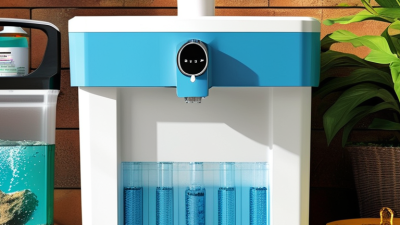
Leading Chinese manufacturers often specialize by application rather than selling every system equally well. Some focus on residential reverse osmosis units, using compact pumps, multi-stage filters, and digital replacement alerts. Others produce ultrafiltration equipment for kitchens, schools, and small offices. Their systems usually preserve useful minerals while reducing sediment, odors, and suspended particles.
Commercial manufacturers commonly build stainless-steel skids for hotels, restaurants, and clinics. Their specialties include reverse osmosis, ultraviolet disinfection, softening, and centralized control panels. Industrial suppliers may design larger systems for factories, laboratories, and process-water applications. They often offer pretreatment tanks, membrane housings, dosing equipment, and monitoring instruments. Field reality differs. A system that performs well in a showroom may struggle with unstable feedwater or poor maintenance.
From practical evaluation, buyers should inspect membrane test records, production consistency, and after-sales response. Ask for flow rates under specific water conditions, not ideal laboratory figures. Check whether replacement filters are locally available and clearly labeled. Factory audits can reveal assembly quality, leak testing, wiring standards, and hygienic handling. Certifications are useful, but they should match the destination market and product category. Some suppliers communicate confidently yet provide incomplete technical drawings. That is a warning. Chinese manufacturing remains highly competitive, but product selection requires careful comparison, independent water testing, and realistic maintenance planning.
China’s water treatment industry serves homes, hospitals, factories, and municipal projects. Quality depends on more than production capacity. It depends on verified processes, accurate testing, and responsible documentation. Reputable manufacturers usually maintain ISO 9001 quality management systems. Some also follow ISO 14001 environmental management practices. These certificates show system control, not automatic product excellence.
Look for reports from laboratories accredited by CNAS or recognized under CMA requirements. For drinking-water equipment, buyers should check applicable Chinese hygiene and safety approvals for products contacting water. GB and GB/T standards may cover materials, performance, testing, and installation conditions. Export projects can require additional standards, such as NSF/ANSI, CE-related requirements, or local market approvals. Requirements vary by destination.
Details matter. Ask for membrane performance data, pressure-test records, material certificates, and batch traceability. A serious factory should explain how it controls welds, seals, pumps, and electrical components. During supplier evaluations, sample testing and factory audits often reveal more than polished brochures. A certificate is not proof of every claim. No factory is flawless. Even experienced manufacturers may have gaps in records or inconsistent inspection habits. Buyers should review certificate scope, issuing authority, validity dates, and model coverage. That extra review can prevent costly misunderstandings after installation.
The chart compares the publication year of selected Chinese national standards relevant to water-treatment manufacturers. GB/T 19001, GB/T 24001, and GB/T 45001 support quality, environmental, and occupational health and safety management certification, while GB 5749 and GB/T 5750.1 define drinking-water quality and examination requirements. The years indicate the current cited Chinese edition, not the number of certified companies or market share.
Reference: China National Standard Information Public Service Platform, Standardization Administration of China.
Choosing among China’s top water purification system manufacturers requires more than comparing prices or catalog photos. Start with the water problem itself. Ask whether the manufacturer understands your source water, daily flow, pressure, temperature, and final-use standards. A reliable supplier should request laboratory data before proposing equipment. Generic recommendations often look efficient, but they can create costly maintenance problems later.
Inspect the factory beyond its showroom. Review production records, component traceability, quality-control procedures, and pressure-test reports. Request recent test results for key performance claims. Independent laboratory evidence is stronger than promotional language. Speak with several existing customers, preferably those using similar water sources. Their comments may reveal response times, replacement-part availability, and commissioning quality. I have learned that attractive technical drawings can still hide weak documentation. That possibility deserves attention.
Tips: Ask for a pilot test when the water chemistry is uncertain. Confirm membrane, pump, and control-system specifications in writing. Check who handles installation training and warranty service. Also, calculate the total operating cost, including energy, chemicals, filters, labor, and wastewater. A low purchase price is not always economical. Be careful here. Manufacturers with qualified engineers should explain risks clearly, admit design limits, and suggest practical adjustments. Their answers should remain consistent across sales, engineering, and service teams. That consistency is a useful sign of professional reliability.