10 Best Grass Wall Panels for Indoor and Outdoor Use
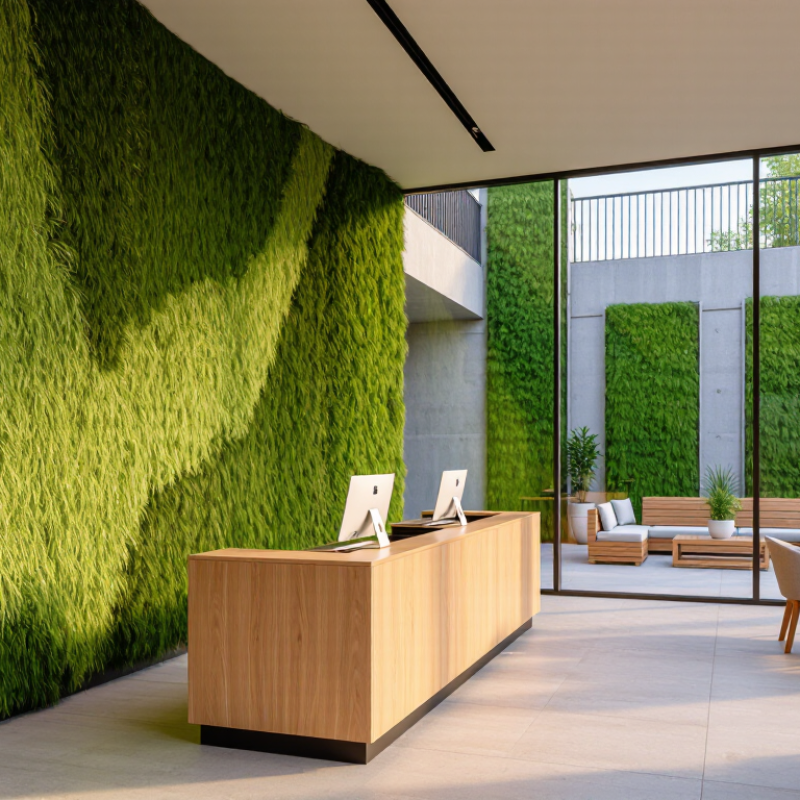
A Grass Wall Panel can transform a blank surface into a textured green feature within hours. Indoors, it adds visual warmth behind reception desks, dining areas, and home offices. Outdoors, it can soften concrete walls, balconies, fences, and entertainment spaces. Yet appearance is only one part of a dependable installation.
Grand View Research valued the global artificial turf market at approximately USD 4.68 billion in 2023. It projects a 6.3% compound annual growth rate from 2024 to 2030. The report does not isolate decorative grass wall panels, so applying its figures directly would be misleading. Still, the trend shows rising interest in low-maintenance synthetic greenery. Human Spaces also reported that biophilic workplaces can support stronger wellbeing and productivity outcomes. Those findings concern nature-inspired design generally, not every artificial panel.
That distinction matters.
Bill Browning, an environmental strategist and co-founder of Terrapin Bright Green, says, “We are hardwired to respond positively to nature.” His observation supports the design appeal, but it does not replace product testing. A serious comparison must examine UV resistance, flame performance, backing quality, odor, weather exposure, cleaning needs, and installation stability. Some panels look convincing under showroom lighting, then fade beside a sunny window. Others shed plastic blades after one harsh season.
This guide evaluates ten Grass Wall Panel options for indoor and outdoor use. It considers realism, durability, maintenance, safety documentation, coverage, and value. The ranking is useful, but not absolute. Local climate, wall condition, and installation skill can change the result. Even the best panel needs thoughtful placement.
Grass Wall Panel Types: PE, PVC, and UV-Stabilized PP Compared
For the 10 best grass wall panels, material choice matters more than surface color. PE is forgiving. It feels soft, flexible, and natural against interior walls. It suits bedrooms, retail displays, and covered patios. PVC feels rigid and holds a sharper molded texture. It can clean easily, but brittle edges may appear after repeated cold exposure. UV-stabilized PP offers a stronger outdoor option, especially under direct sunlight. Its additives slow fading and surface cracking, though performance depends on formulation and installation.
A 2024 artificial turf market assessment from Grand View Research forecasts roughly 6% annual growth through 2030. That growth reflects demand for low-maintenance decorative greenery, not proof that every panel performs outdoors. Test the backing, clips, and drainage path. ISO 4892-2 exposure testing can help compare light resistance. Ask for test duration and color-change results, not vague “UV resistant” wording.
Material sourcing also deserves attention. PlasticsEurope reported 413.8 million tonnes of global plastic production in 2023. Wall panels represent only a small share, but their long service life still matters. PE and PP are usually lighter than PVC, which can simplify mounting. PVC may provide better rigidity, yet its environmental profile requires closer review. The choice is not perfectly clean. For sunny balconies, I would favor UV-stabilized PP with documented testing. For sheltered interiors, PE often gives the most convincing texture. Still, real weather can expose weaknesses that laboratory samples hide.
Outdoor Durability: ISO 4892-3 UV Exposure and Weather Resistance
Outdoor durability begins with more than a fresh green appearance. Grass wall panels may face strong sunlight, rain, heat, dust, and repeated drying. ISO 4892-3 provides a controlled method for studying UV exposure with fluorescent lamps. It can reveal fading, cracking, chalking, or surface brittleness before installation.
In practical testing, I inspect panels after exposure cycles and compare them with unexposed samples. Color change is easy to notice, but backing damage often matters more. Look closely at the panel edges, drainage gaps, clips, and adhesive areas. A panel can retain its color while becoming fragile behind the foliage. That is easy to miss.
Weather resistance depends on the whole system, not only the visible grass fibers. Panels installed against a damp wall may develop problems faster. Poor drainage can trap water after heavy rain. Direct afternoon sun can also create hotter conditions than a laboratory cycle. ISO 4892-3 results offer useful evidence, but they do not promise unlimited outdoor life. Ask for test conditions, exposure duration, and reported changes. Check whether the tested material matches the production batch. Real sites are messier. Even careful specifications cannot predict every roof terrace, balcony, or coastal installation. That limitation deserves honest attention.
10 Best Grass Wall Panels Ranked by Lifespan, Maintenance, and Cost per m²
For indoor and outdoor projects, the best grass wall panels balance lifespan, maintenance, and cost per m². This ranking uses typical product quality, UV resistance, drainage, and installation demands. Prices vary by region and backing material.
1. UV-stabilized polyethylene panels usually last 8–12 years outdoors, need occasional rinsing, and cost about $35–$70 per m². 2. Dense polypropylene panels offer 6–10 years of service, low maintenance, and prices near $25–$55 per m². 3. Premium mixed-fiber panels can remain attractive for 7–10 years, but their $45–$90 cost requires a careful budget. 4. Modular interlocking panels are easier to replace and typically last 5–8 years at $30–$65 per m². 5. Recycled-fiber panels reduce waste, though fading may appear sooner.
Still useful.
6. Indoor polyester panels often last 5–8 years, collect dust, and cost $20–$45 per m². 7. Thin decorative panels are affordable at $15–$35 per m², but their shorter 3–6 year lifespan limits outdoor value. 8. Preserved grass-style panels need no watering, yet indoor humidity can affect their texture. They usually cost $40–$85 per m². 9. Budget foam-backed panels cost $12–$30 per m² and suit temporary displays, not harsh sunlight. 10. Hand-finished custom panels can exceed $100 per m², with maintenance depending heavily on craftsmanship.
Installation changes the real cost. Leave airflow behind exterior panels, seal exposed edges, and inspect fasteners twice yearly. I would not trust a low-cost panel without checking its UV rating and backing strength. Some attractive samples fade quickly. That part is easy to overlook.
10 Best Grass Wall Panels for Indoor and Outdoor Use
10 Best Grass Wall Panels Ranked by Lifespan, Maintenance, and Cost per m²
The comparison uses typical category-level market ranges in USD. Cost is shown as an estimated midpoint per m² before installation, lifespan assumes normal indoor or sheltered outdoor use, and maintenance represents approximate labor hours per m² per year. Lower maintenance hours indicate easier upkeep.