How to Properly Maintain Your Water Softener for Optimal Performance?
When it comes to maintaining your home's water quality, water softener maintenance is crucial. A water softener reduces hardness minerals that can harm plumbing and appliances. However, many homeowners overlook its upkeep. Regular maintenance ensures optimal performance and longevity for this essential system.
Proper maintenance involves checking salt levels, cleaning the brine tank, and replacing filters when necessary. If neglected, a water softener can lead to poor water quality and costly repairs. It's vital to understand the specific requirements of your unit. Each model may have unique needs.
Inconsistent maintenance can lead to inefficient operations. Water may still feel hard, despite having a functioning softener. Homeowners must actively monitor the system. Familiarity with your water softener can prevent many issues. By integrating regular checks into your routine, you can ensure a consistent supply of soft water while extending your system’s life.
Understanding the Functions of a Water Softener
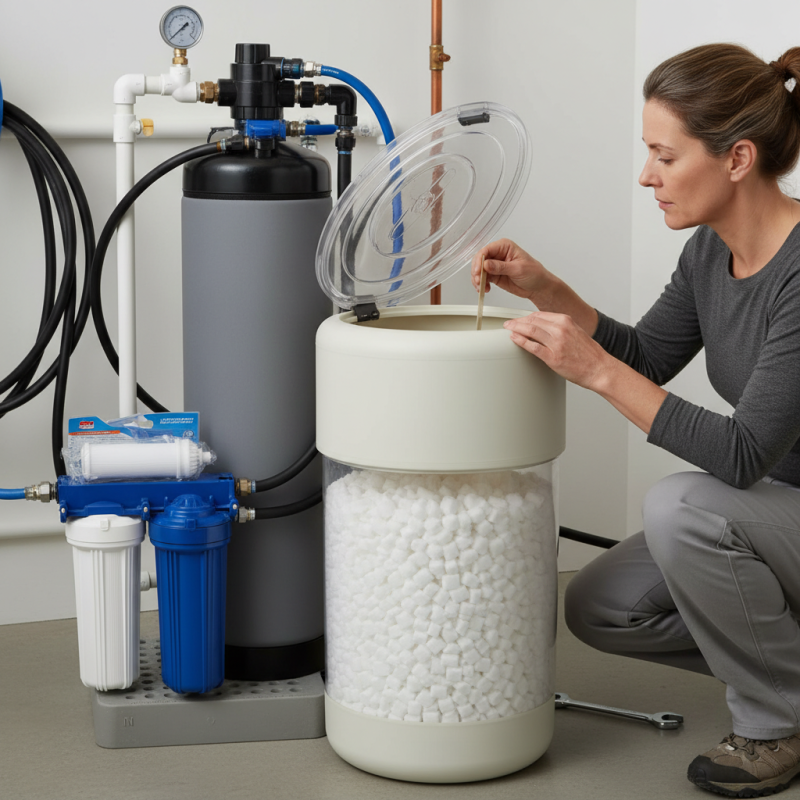
Water softeners play a crucial role in maintaining water quality. They reduce hard minerals such as calcium and magnesium. This process helps prevent scale buildup in pipes and appliances. Soft water enhances the effectiveness of soaps and detergents, resulting in cleaner dishes and softer laundry. Understanding how a water softener functions is key to ensuring optimal performance.
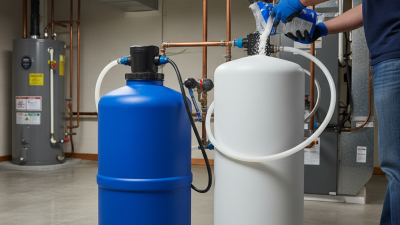
Regularly check the salt level in your water softener. A low salt level can hinder its ability to soften water. It's advisable to refill the tank regularly. Make sure to use the right type of salt. Some users might overlook this aspect and use table salt instead of fit-for-purpose salt. This simple mistake can lead to clogs and inefficiency.
Additionally, it's beneficial to clean your system periodically. Inspect the resin beads for signs of wear. If they appear discolored or worn out, they may need replacement. Skipping this maintenance can cause poor water quality. Test your water hardness occasionally to gauge the effectiveness of your softener. Not doing so could leave you in a cycle of frustration with hard water issues.
Identifying Signs of a Malfunctioning Water Softener
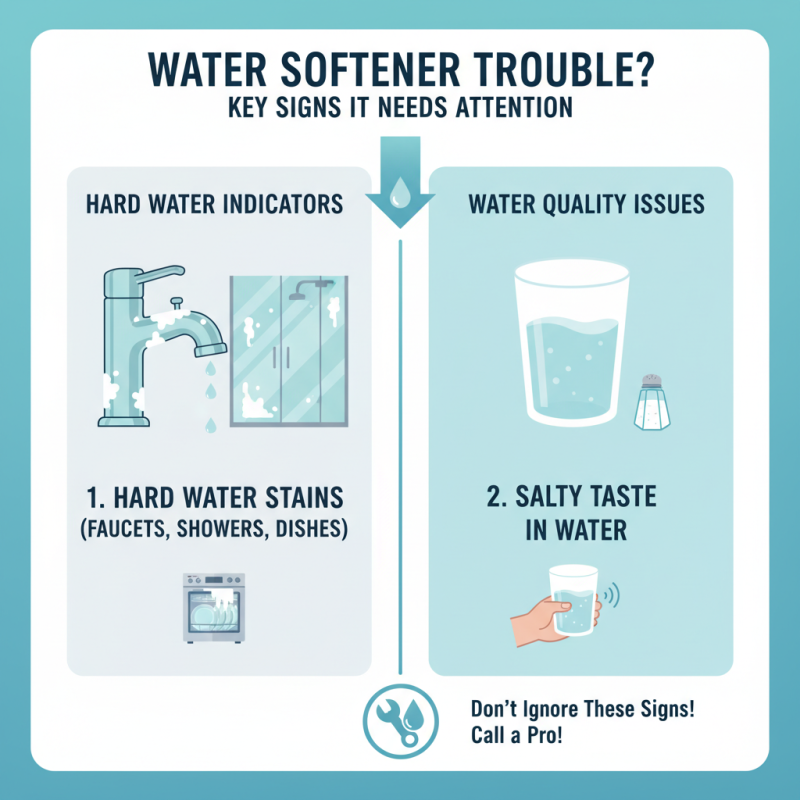
Water softeners play a crucial role in improving the quality of your water. However, they require regular maintenance to function effectively. Signs of a malfunctioning water softener can be subtle or obvious. One common indicator is the presence of hard water stains on faucets and appliances. This means your water softener isn’t removing calcium and magnesium effectively. Additionally, if you notice a salty taste in your water, it may indicate that your system isn’t regenerating properly.
Another sign to watch for is the frequency of regeneration cycles. If your unit seems to regenerate more often than usual, it could be a symptom of a deeper issue. Sometimes, you may hear unusual noises during the regeneration process. These sounds often signify a problem within the system. Low water pressure or cloudy water can also suggest that your water softener isn’t performing as it should. Regularly checking for these signs is critical, as neglecting them can lead to costly repairs.
Daily and Weekly Maintenance Tasks for Your Water Softener
Maintaining your water softener is essential for its longevity and efficiency. Daily and weekly tasks can keep it running smoothly. Start with daily checks. Look for salt levels in the brine tank. If they’re low, add salt to ensure proper regeneration. A quick glance at the control panel can also reveal important alerts.
Weekly maintenance is crucial. Rinse the brine tank to prevent sediment buildup. A quick wash with warm, soapy water helps. It's also a good time to inspect the resin beads. If they look discolored, they may need replacing. Remember, these small steps can prevent bigger headaches later.
Don’t forget to periodically check water quality. If it feels off, your system might be struggling. Be aware of any strange odors or unusual hardness in the water. These signs indicate that maintenance tasks may be overdue. Regular attention can save you from costly repairs down the line.
Daily and Weekly Maintenance Tasks for Your Water Softener
Annual Check-ups and Professional Servicing Recommendations
Regular maintenance of your water softener is crucial for its optimal performance. Annual check-ups ensure that all components are functioning correctly. During these inspections, professionals look for salt levels, resin condition, and system leaks. Even a small issue can lead to larger problems later. You may not notice these subtleties until it’s too late.
Professional servicing is essential to maintain reliability. Technicians have the expertise to perform comprehensive checks. They can address hard water problems that you might overlook. DIY maintenance is helpful, but it doesn’t replace professional insight. An expert can suggest necessary upgrades and replacements tailored to your specific needs.
Document your service history to track maintenance patterns. It’s easy to forget when you last checked your system. Set reminders for inspections, and keep an eye out for changes in water quality. Clear communication with your technician is vital. Sometimes, your observations can help them diagnose potential issues faster. Being proactive can enhance your water system's efficiency over time.
Troubleshooting Common Issues with Water Softeners
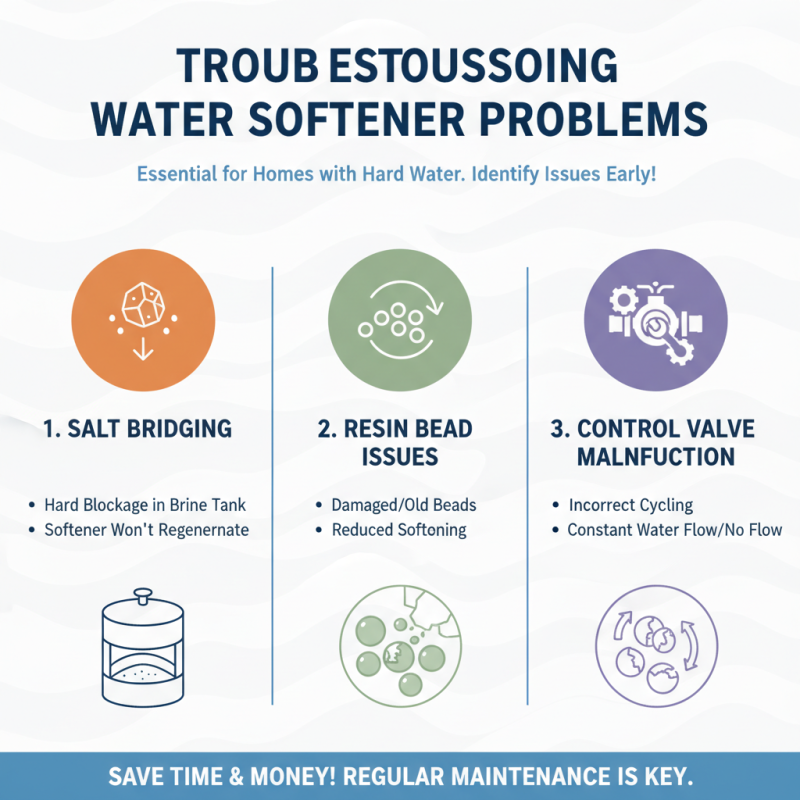
Water softeners are essential for homes with hard water. However, issues can arise that affect their performance. Common problems include salt bridging, resin bead issues, or a malfunctioning control valve. Identifying these issues early can save you time and money.
When you experience reduced water softness, check your salt levels first. Salt bridging can create a hard layer that prevents salt from dissolving. If this occurs, break up the bridge and refill the tank. Regular cleaning of the brine tank is also crucial. Debris can accumulate, causing blockages.
Maintenance involves monitoring water consumption. An unexpected spike could hint at a malfunction. Keep an eye on your water's clarity and taste. Any changes might indicate a problem with your softener. Testing your water periodically can also help identify issues with mineral levels.
Tips: Regularly inspect your softener for leaks. Small drips can lead to bigger problems. Ensure all connections are tight. Schedule professional maintenance every couple of years for deeper insights. Noticing a strange smell? It might be time to check the resin beads. These small components can wear out over time.