What Is the Best China Shuttering Magnet Supplier?
Choosing the best China Shuttering Magnet supplier requires more than comparing prices on a product page. A reliable supplier must understand concrete formwork, not merely sell steel boxes with magnets. Experienced buyers inspect holding force, magnet alignment, surface protection, release performance, and dimensional consistency. A small error can shift a form by several millimeters. That may create visible concrete edges, extra grinding, and delayed installation.
As formwork consultant Dr. Lina Chen observes, “A Shuttering Magnet is valuable only when its holding force remains predictable on the jobsite.” Her point deserves attention. Factory claims are useful, but practical evidence matters more. Buyers should request test reports, sample units, production photos, and clear information about neodymium magnet grades. They should also examine whether the supplier controls welding quality, spring mechanisms, corrosion resistance, and packaging during transport. These details often separate a dependable manufacturer from a trading company.
No supplier is perfect. That matters. A company may offer excellent magnets but weak after-sales communication. Another may provide fast delivery but inconsistent batches. Site experience should guide the final decision. Ask how the supplier handles damaged units, custom dimensions, replacement parts, and urgent orders. A strong China Shuttering Magnet supplier should answer clearly, document its process, and welcome reasonable technical questions. The lowest quotation may look attractive. It can become expensive after repeated failures, uneven panels, or missed casting schedules. This guide evaluates suppliers through practical performance, technical credibility, communication, and long-term reliability. Some conclusions may remain open, because real projects expose weaknesses that catalogs rarely show.
What Defines a China Shuttering Magnet Supplier’s Product Quality?
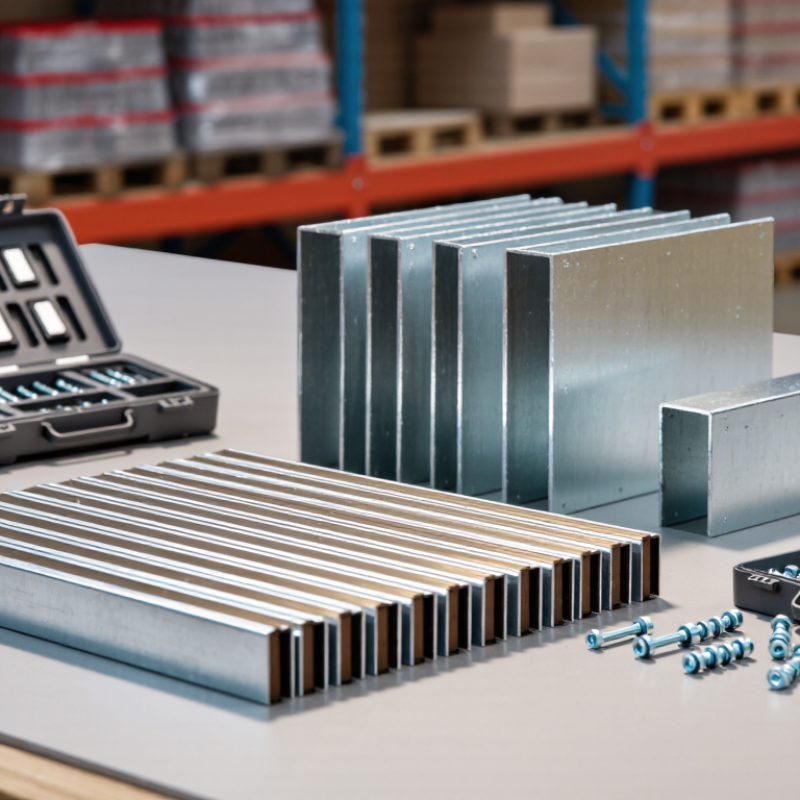
A China shuttering magnet supplier’s product quality starts with stable magnetic performance. In precast production, a magnet must hold the form firmly during vibration and concrete placement. Small force variations can create visible panel misalignment. Reliable suppliers should provide pull-force data for each model, not only attractive catalog figures. Testing should reflect real steel thickness, surface conditions, and working temperatures.
The magnet’s steel housing also deserves close attention. A thick, accurately machined casing protects the internal magnet and supports repeated handling. Smooth edges reduce damage to molds and workers’ gloves. Corrosion-resistant treatment matters in damp production yards, especially when release agents and concrete residue remain on the surface. Dimensional tolerances should be measured consistently. A few millimeters can affect positioning.
Quality control becomes more credible when records are available. Look for batch numbers, inspection reports, material details, and clear sampling procedures. Factory audits can reveal practical habits, such as calibrated force meters and protected storage areas. I have seen magnets perform well in a showroom but weaken after careless transport. That experience is easy to overlook. Suppliers should explain temperature limits, service life, and replacement procedures honestly. No magnet lasts forever. Even strong products need cleaning, correct alignment, and regular checking. A dependable supplier welcomes technical questions and admits where performance may vary.
How Do 900–2,100 kg Pull Ratings Compare Across Shuttering Magnets?
What Is the Best China Shuttering Magnet Supplier?
A shuttering magnet rated at 900 kg is not automatically weaker in every project. Pull ratings depend on steel thickness, contact area, surface cleanliness, and test direction. A 2,100 kg rating usually offers greater holding capacity, but it may not improve performance on thin or uneven steel. In practical precast work, I have seen dust, weld marks, and small gaps reduce magnetic grip noticeably. Ratings can mislead. Always request test conditions, not only the headline number.
For repeated production, compare the magnet’s clamping design, release mechanism, corrosion resistance, and dimensional consistency. A reliable supplier should provide measured test data, material details, inspection records, and clear technical support. Ask whether the stated force is vertical, horizontal, or tested under ideal laboratory conditions. A 900 kg unit may suit lighter panels and frequent repositioning. A 2,100 kg unit may suit larger forms, vibration, or demanding alignment work. However, higher force can increase removal effort and may damage poorly reinforced formwork.
Tips: Check pull force on your actual steel table. Clean contact surfaces before testing. Compare at least three samples from one production batch. Do not treat the rating as a complete safety decision; site engineers should confirm load paths and working limits. I would also test release speed, because a magnet that holds well but releases unevenly can slow production. That detail is easy to overlook.
What Is the Best China Shuttering Magnet Supplier? - How Do 900–2,100 kg Pull Ratings Compare Across Shuttering Magnets?
| Pull-Rating Class | Nominal Magnetic Pull | Typical Magnet Size
(L × W × H) | Typical Weight | Recommended Formwork Use | Typical Concrete Element | Release Method | Key Selection Consideration |
| 900 kg class | Approximately 8.8 kN | 180–220 × 90–110 × 40–60 mm | 7–11 kg | Light and medium-duty steel formwork | Small wall panels, steps, beams and compact precast molds | Integrated lever or mechanical release bar | Suitable when panel loads and vibration levels are moderate |
| 1,200 kg class | Approximately 11.8 kN | 200–240 × 100–120 × 45–65 mm | 9–14 kg | General-purpose precast production | Wall panels, columns, beams and standard sandwich panels | Lever-assisted release mechanism | A practical balance between holding force, size and handling effort |
| 1,500 kg class | Approximately 14.7 kN | 220–260 × 110–130 × 50–70 mm | 12–17 kg | Medium and heavy precast formwork | Large wall panels, stair flights, double walls and utility units | Built-in lever, pry slot or removable release tool | Better resistance to form movement during concrete vibration |
| 1,800 kg class | Approximately 17.7 kN | 240–280 × 120–140 × 55–75 mm | 15–21 kg | Heavy-duty steel shuttering and reusable casting beds | Large structural panels, columns and high-density precast components | Heavy-duty lever or dedicated mechanical release tool | Appropriate for high vibration, thicker panels and demanding production cycles |
| 2,100 kg class | Approximately 20.6 kN | 260–320 × 130–160 × 60–80 mm | 18–26 kg | Very heavy formwork and large industrial precast molds | Large architectural panels, bridge components and heavy structural units | Reinforced lever system or mechanical lifting release | Offers the highest holding capacity but requires stronger handling equipment |
Important comparison note: Pull ratings are normally measured under ideal conditions with clean, flat, sufficiently thick steel and full magnetic contact. Actual holding performance can be reduced by air gaps, paint, rust, uneven formwork, thin steel plates, temperature and concrete vibration. The listed dimensions, weights and applications are typical industry ranges; final selection should be based on verified test data, the actual steel profile and the required safety margin.
Which NdFeB Grades, Steel Cases, and Tolerances Meet Industry Needs?
What Is the Best China Shuttering Magnet Supplier?
A reliable shuttering magnet supplier must match NdFeB grades with real site conditions. N35 magnets commonly provide about 1.17–1.22 tesla residual induction, while N52 can reach roughly 1.43–1.48 tesla. These values come from published magnet-grade data aligned with IEC 60404-8-1 testing practices. Higher grade is not always better. A poorly designed N52 assembly may lose more performance under heat, impact, or coating damage.
Steel cases deserve equal attention. Low-carbon steel, such as Q235-type material, should have a flat base and consistent wall thickness. The case must concentrate magnetic flux and protect the magnet from concrete slurry. Zinc or nickel coatings help resist corrosion, but field scratches still matter. A 2024 USGS Mineral Commodity Summaries report recorded about 350,000 metric tons of global rare-earth mine production in 2023, including approximately 240,000 tons from China. This supply strength supports manufacturing capacity, not automatic quality.
Tolerance control separates a dependable supplier from a cheap one. Many practical assemblies target roughly ±0.10 mm for key dimensions, while finished formwork interfaces may require tighter checks. Pull-force reports should state test distance, steel thickness, and surface condition. Otherwise, the number is weak evidence. I would request batch records, temperature testing, coating thickness, and repeated pull tests. One overlooked issue remains packaging damage. Magnets can arrive strong but misaligned. Supplier audits should include actual samples, not only catalog tables.
How Do ISO 9001, Load Testing, and Batch Traceability Verify Suppliers?
What Is the Best China Shuttering Magnet Supplier?
A reliable shuttering magnet supplier should prove performance, not merely promise it. ISO 9001 certification shows that documented quality procedures exist. However, certification alone cannot confirm every magnet’s strength. Ask for the certificate number, audit scope, and current validity. Then compare these details with the factory’s actual production process.
Load testing provides stronger evidence. Request test records showing the magnet’s rated holding force, test method, and sample quantity. A practical check may involve magnets supporting steel formwork under repeated loads. Results should include test dates and equipment calibration details. Batch traceability matters too. Each shipment should connect to raw materials, operators, inspection records, and packing dates. If one magnet fails, the supplier should identify the affected batch quickly. That is real control. Paperwork can still look impressive while hiding gaps.
Tips: Request a sample batch before placing a large order. Check markings on the housing and compare them with inspection documents. Ask whether failed units are recorded or simply replaced. Visit the production area, if possible, and observe testing rather than relying on photographs. Keep one retained sample for future comparison. A supplier that welcomes technical questions often appears more dependable, but this is not a perfect rule. Confidence should follow verified evidence, not friendly communication.
Which Supplier Offers the Best Balance of Price, MOQ, Lead Time, and Warranty?
The best China shuttering magnet supplier is not always the one offering the lowest unit price. In practical precast projects, price must be measured against pull force, steel housing quality, and service life. A magnet that slips during concrete placement can damage forms and delay production. Ask for test reports, material details, and clear performance data.
MOQ matters when a buyer is testing a new design or serving a small project. A flexible supplier may accept a lower MOQ, although the unit price could rise slightly. That trade-off can be reasonable. Request one sample batch before placing a large order. Check the magnet on a real steel table, not only in a showroom. Small differences matter.
Lead time should include production, inspection, and export handling. Written schedules are useful, but they are not perfect. I would also ask how delays are reported and corrected. Warranty terms need similar attention. A reliable supplier should define coverage, evidence requirements, replacement timing, and exclusions. A twelve-month warranty sounds attractive, but vague wording weakens its value. Compare the complete offer, not just the quotation. One supplier may cost more while providing stronger testing, lower MOQ, faster communication, and fewer replacement risks. That balance usually protects the project budget better.