10 Essential Tips for Choosing the Right Whole House Water Softener?
Choosing a whole house water softener can be daunting. The process involves careful consideration of various factors. You want clean and soft water for your entire home. Hard water can lead to scale buildup, which damages appliances and plumbing.
Many homeowners overlook the capacity of a softener. You must match it to your family’s water usage. Think about the size of your household. More users mean a larger system is necessary. Also, consider your water hardness level. High levels require a more robust solution.
Efficiency matters, too. Some systems waste more water than others. Look for options that minimize waste. Installation can be tricky, and professional help may be needed. Remember, not all water softeners are created equal. Research is crucial. A well-informed choice can save you time, money, and frustration.
Understanding Water Hardness and Its Effects on Home Plumbing
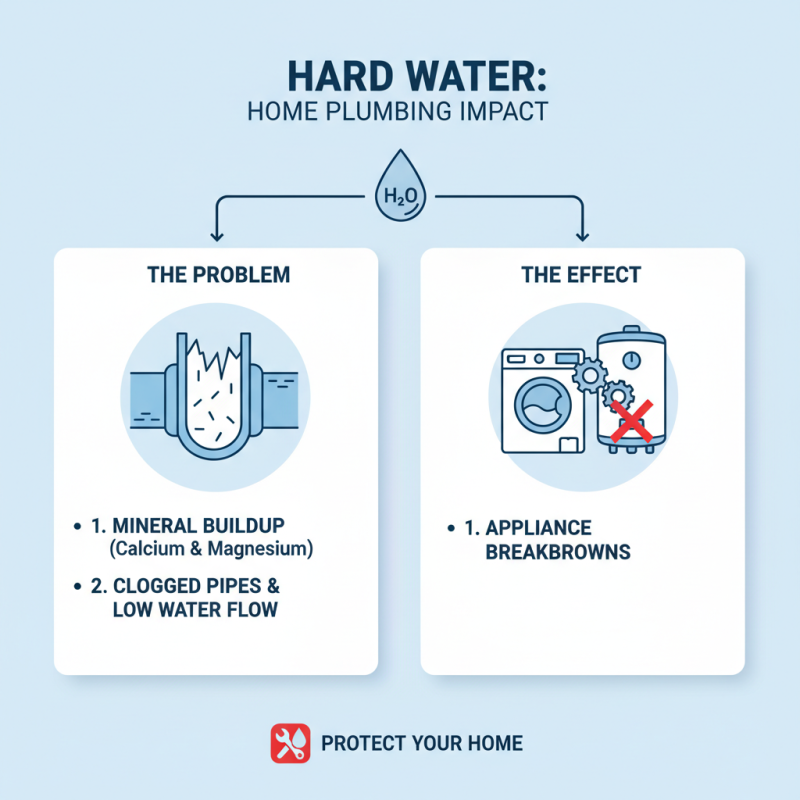
Water hardness can impact your home plumbing in several ways. Mineral buildup from hard water can clog pipes, leading to decreased water flow. This is particularly problematic in areas with a high concentration of calcium and magnesium. Over time, these minerals accumulate in appliances, causing potential breakdowns.
When considering a whole house water softener, it’s crucial to understand your water's hardness level. Testing kits are available to determine mineral content. Look for systems that can handle your specific water needs. Larger households may require models with higher capacity. **Tip**: Research local water quality reports; they can provide valuable insights into hardness levels.
Softening your water can lead to smoother skin and cleaner dishes. However, not all systems are equal. Some may leave a salty taste. Always consult with experts if unsure about your options. **Tip**: Check reviews and ask for personal experiences from others. Understanding these differences can prevent costly mistakes.
Evaluating Your Household Water Usage and Needs
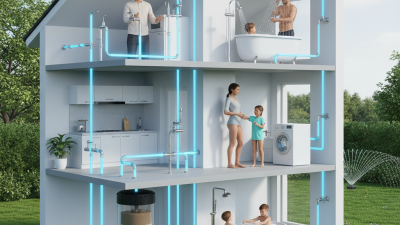
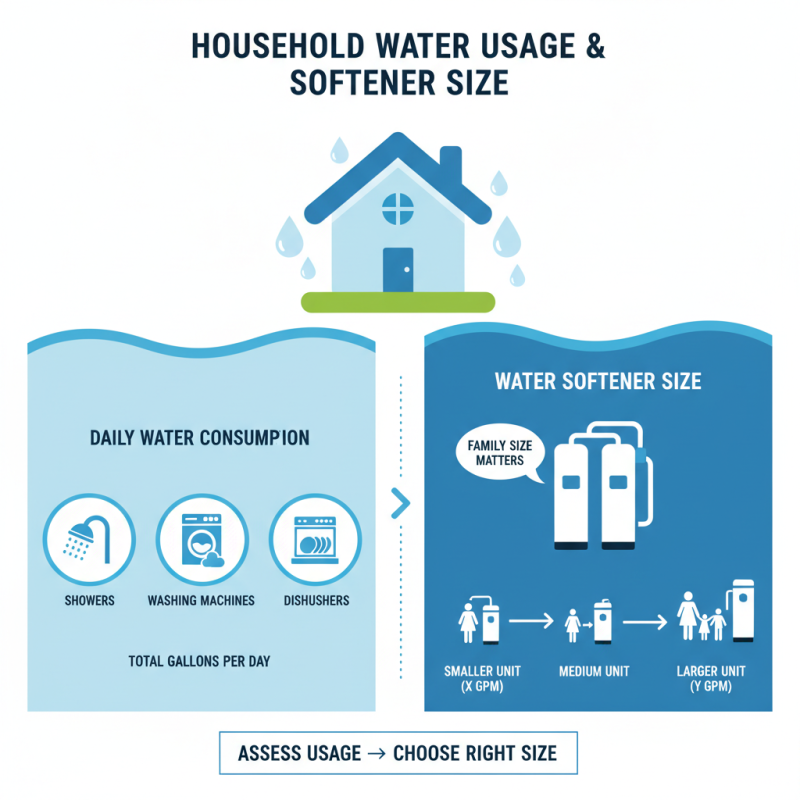
When evaluating your household water usage, it’s important to consider how much water your family consumes daily. Take note of all appliances that use water. This includes showers, washing machines, and dishwashers. Understanding these numbers helps you assess the size of the water softener you need. A larger family might require a unit that processes more gallons per minute.
Consider peak usage times too. If everyone showers in the morning, this could create a high demand for soft water all at once. You might want to calculate the maximum water flow required during those busy periods. Sometimes, planning for future changes, like new appliances or family members, can ensure you’re investing wisely.
Water hardness can also vary throughout the year. If you notice fluctuations in water quality, it’s essential to account for that. Testing your water regularly could reveal whether the softness level meets your requirements. This simple step can prevent costly mistakes down the road. You may discover your initial assumption about water hardness was incorrect. Always be open to revisiting your evaluations to ensure your home is adequately equipped.
Exploring Different Types of Water Softeners Available
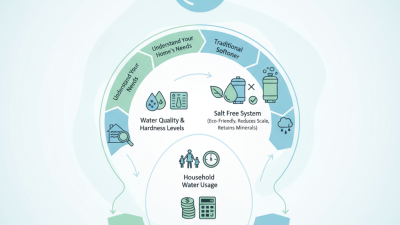
When exploring different types of water softeners, understanding your options is crucial. Whole house water softeners typically fall into two categories: salt-based and salt-free systems. Salt-based systems use ion exchange technology to remove hardness minerals. They provide effective results but require regular maintenance. You must refill the salt, which can be an inconvenience.
Salt-free systems, on the other hand, don’t remove minerals. Instead, they alter how minerals behave in water. These systems often have lower upkeep needs. However, their effectiveness can be limited for very hard water conditions. It's important to assess your specific water hardness before making a decision.
Thinking about installation options? Some homeowners opt for professional help, while others choose DIY kits. Weighing the costs and benefits is essential. A complex installation might lead to mistakes if you're not experienced. Don’t forget to consider the size of the system. A unit that’s too small won't be effective, while a large system can be an unnecessary expense. Finding the right balance can be tricky but is necessary for achieving soft water.
Water Softener Types and Their Efficiency
Key Features to Consider When Selecting a Water Softener
Choosing the right whole house water softener involves understanding key features that suit your needs. One important aspect is capacity. Many systems list their capacity in grains. The average household requires a system that can handle about 30,000 to 40,000 grains. However, larger families or homes with heavy water usage may need systems with capacities exceeding 80,000 grains. Understanding your usage is crucial.
Another essential feature is regeneration type. There are timer-based and demand-initiated regeneration systems. A report by the Water Quality Association states that demand-initiated systems can be up to 65% more efficient. They regenerate based on actual usage rather than a preset timer. This feature can save you money, but it may complicate your decision process if you’re not familiar with the technology.
Additionally, consider the installation and maintenance aspects. Some systems require professional installation, which can add to the initial cost. Maintenance may also involve replacing salt and occasional cleaning. According to industry reports, neglecting maintenance can lead to reduced efficiency over time. This factor could result in costly repairs or even the need for a full replacement. Balancing these considerations is essential for making the right decision.
10 Essential Tips for Choosing the Right Whole House Water Softener
| Feature |
Description |
Importance |
| Size & Capacity |
Choose based on the number of people in the household and water usage. |
High |
| Type of Softener |
Select from salt-based, salt-free, or dual-tank systems depending on needs. |
Medium |
| Regeneration Method |
Consider on-demand vs timed regeneration. |
High |
| Water Hardness Level |
Test your water to determine its hardness before choosing a softener. |
High |
| Ease of Installation |
Determine if you will install it yourself or hire a professional. |
Medium |
| Maintenance Requirements |
Check how often it requires maintenance and what is involved. |
Medium |
| Cost & Budget |
Consider both initial costs and ongoing maintenance expenses. |
High |
| Brand Reputation |
Research customer reviews and brand reliability. |
Medium |
| Warranty & Support |
Check the warranty period and customer support options. |
High |
| Certifications |
Look for certifications that verify efficiency and safety standards. |
Medium |
Assessing Installation and Maintenance Requirements for Your System
When selecting a whole house water softener, installation and maintenance are critical. Many systems require professional installation, which can add to upfront costs. Homeowners should assess their plumbing configuration. Tight spaces can complicate the setup. Consider the time involved. It might take longer than expected.
Maintenance is another area to address. Regular upkeep is necessary to keep the system functioning well. Some softeners require salt refills. This could lead to extra expenses. Be aware of your system’s specific needs. Skipping maintenance can lead to issues down the road. Water quality may worsen, and efficiency can drop.
Evaluate your capacity for hands-on maintenance. If you prefer minimal involvement, choose a low-maintenance model. However, be prepared for potential challenges. Some systems might need more attention than anticipated. Learn about the requirements to avoid surprises. Having a clear understanding will help you choose wisely.