
Choosing the right Feed Pellet Mill begins with the material you plan to process, not the largest capacity listed in a brochure. A small farm using dry grain has different needs from a feed operation handling mixed ingredients with varying moisture. Pellet size, production volume, and daily operating hours all shape the choice. Details matter.
Before comparing models, identify your feed recipe and expected output per hour. Ask suppliers which die specifications suit your ingredients, and check whether the mill can maintain steady pellet quality at your intended production rate. Motor power, die access, spare-part availability, and cleaning requirements also deserve attention. A machine that is difficult to service may cost more time than its purchase price suggests. Request practical performance data for materials like yours, rather than relying only on a maximum-capacity figure.
Good selection also involves testing assumptions. A specification sheet may look convincing, yet actual output can change with moisture, particle size, and operator adjustments. If possible, review a demonstration or arrange a small trial before committing. Confirm what routine maintenance involves and how quickly common wear parts can be replaced. There is no single best mill for every buyer. The right choice balances consistent pellets, realistic capacity, dependable support, and a budget that includes ongoing operation. Some uncertainty remains until your own feed is tested.
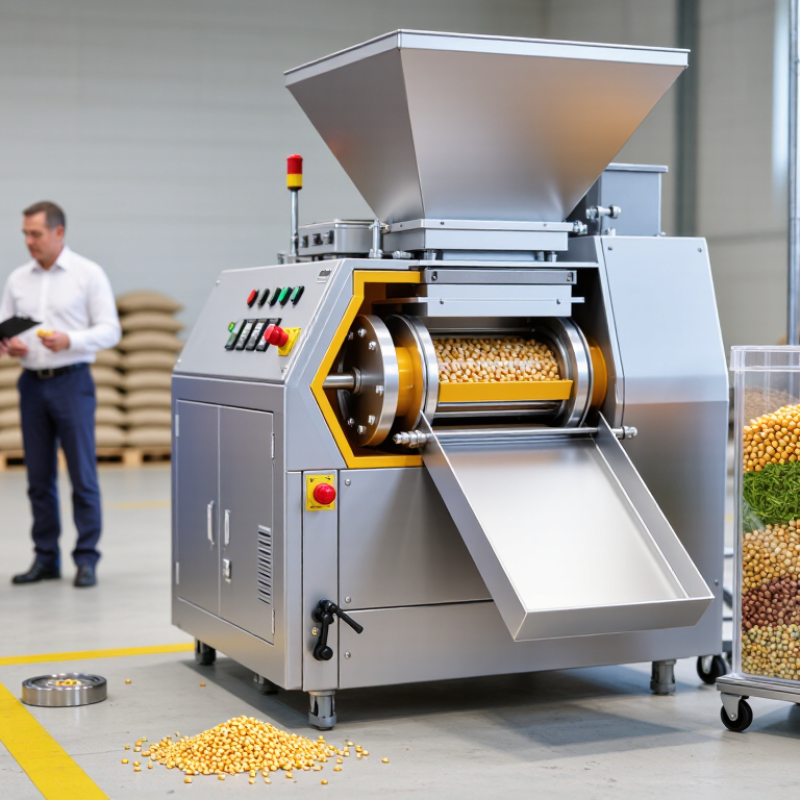
Estimate required throughput from the feed your operation will actually pellet, not a brochure’s maximum rating. Alltech’s Agri-Food Outlook 2024 estimated global feed production at 1.29 billion metric tonnes in 2023, including about 555 million tonnes of poultry feed. That scale shows why species and production mix matter. For a mill, calculate daily demand, divide by planned operating hours, then check whether the machine can sustain that rate with your recipe and die.
For example, 20,000 growing birds averaging 0.12 kg of feed each per day need 2.4 tonnes daily. Producing that over eight hours requires 0.3 tonnes per hour before cleaning, changeovers, and downtime. This is only a planning example: bird age, climate, and feeding program change consumption. Leave room for those interruptions.
For poultry, 2–4 mm pellets are a practical sizing range, but smaller die holes can reduce output. They increase resistance, and the result depends on die thickness, formulation, moisture, and conditioning. Small holes slow flow. Ask suppliers for measured capacity using your intended feed mix and pellet diameter, then run a production trial. I would not select a mill from daily tonnage alone; that estimate can look reassuring and still miss the bottleneck.