How to Choose the Best Water Softener System for Your Home?
Choosing the right water softener system can transform your home's water quality. Hard water affects millions of households. According to the Water Quality Association, around 85% of homes in the U.S. deal with hard water issues. Mineral buildup can damage appliances and plumbing over time.
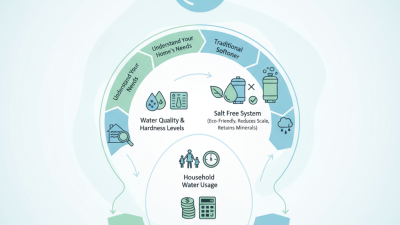
When selecting a water softener system, consider your specific needs. Analyze the hardness level of your water through testing. Systems vary widely in performance and efficiency. For example, traditional salt-based softeners are effective, but they can increase sodium levels in water. This might not be ideal for everyone.
In contrast, salt-free systems are gaining popularity. These use different methods to condition water without removing minerals. However, they may not be as effective in areas with very hard water. Reflecting on these choices is crucial, as the best solution for one home might not suit another. Ultimately, understanding your water needs will lead to better, healthier choices.
Understanding Hard Water and Its Effects on Your Home
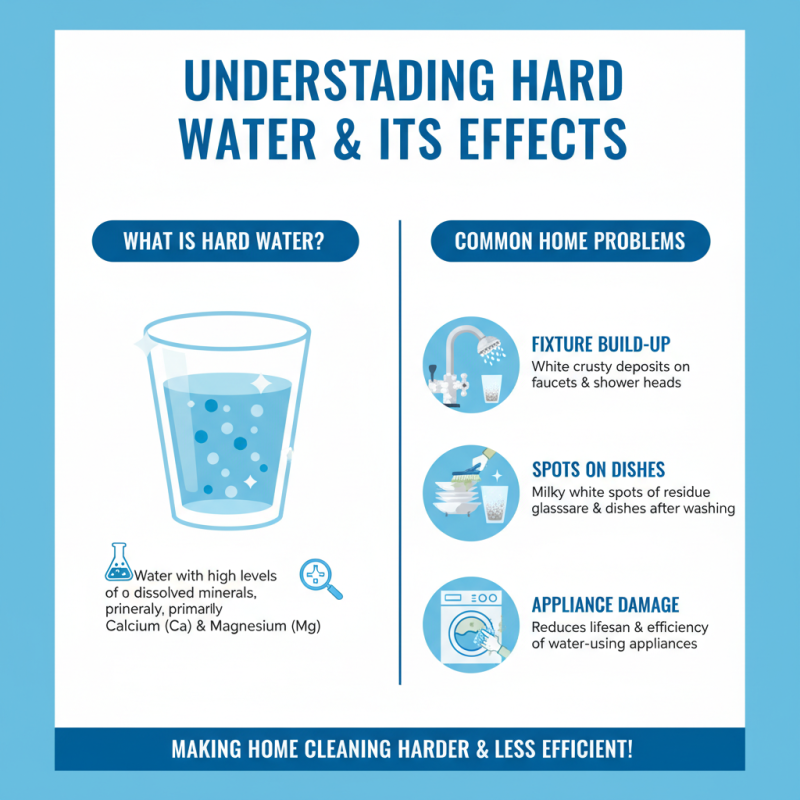
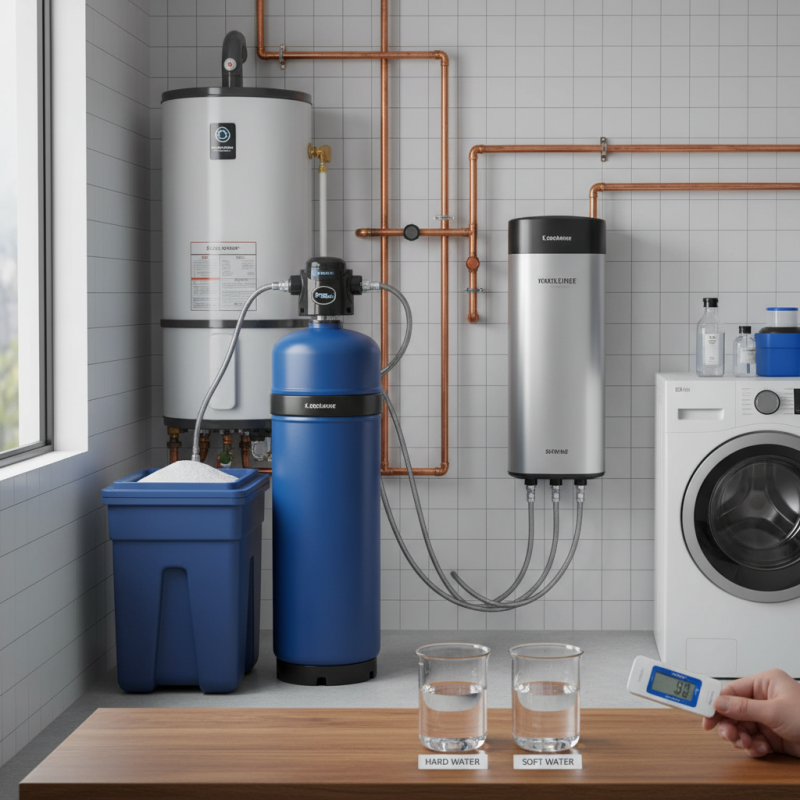
Hard water affects many homes. It contains high levels of minerals like calcium and magnesium. These minerals can leave deposits on faucets and shower heads. You may notice white spots on glassware and dishes. Such build-up makes cleaning harder and more time-consuming.
Additionally, hard water can influence plumbing systems. It may lead to scaled pipes and reduced water flow. Appliances like dishwashers and water heaters often perform less efficiently. They may even have a shorter lifespan. Some people find their skin feels dry after showering. Soap may not lather up as well, leading to an unsatisfactory washing experience.
Understanding hard water helps you make informed choices. Testing your water can reveal its hardness level. With this knowledge, you can select an effective water softener. Many systems can help reduce mineral content. However, not all solutions fit every household. Reflecting on your specific needs is essential. What works for one home may not suit another.
Types of Water Softener Systems Available
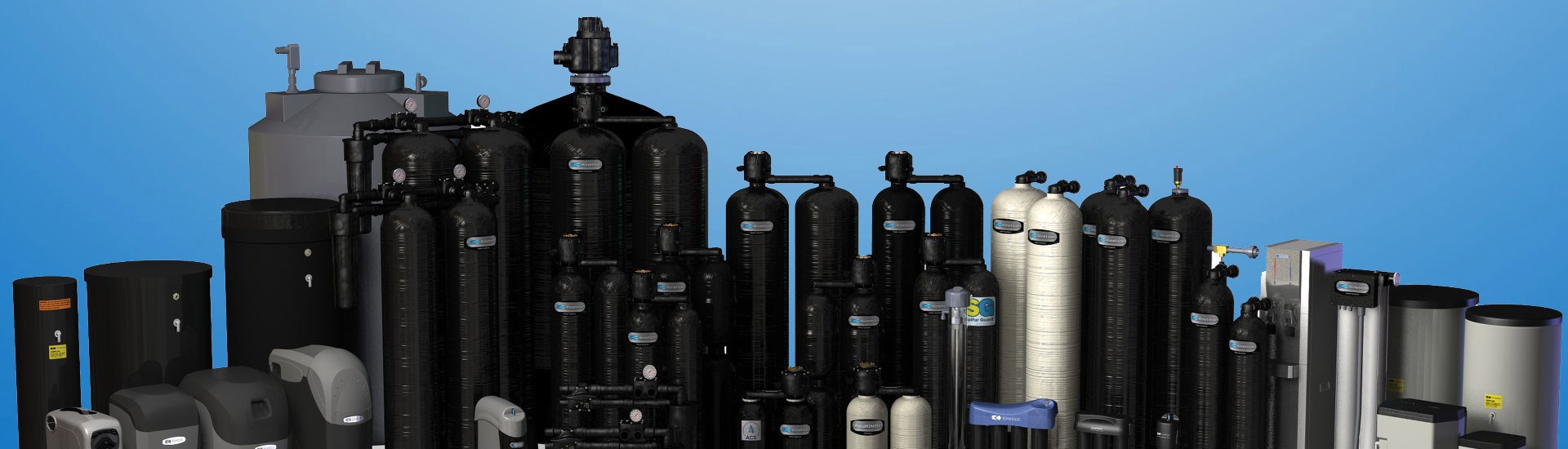
When selecting a water softener system, it's essential to understand the types available. The most common systems are ion exchange, salt-free, and dual-tank softeners. Ion exchange systems are popular because they effectively reduce hardness. They replace calcium and magnesium ions with sodium. Research indicates that 85% of U.S. households experience hard water issues.
Salt-free softeners use a different approach. They don’t remove minerals but prevent them from accumulating. This method is ideal for individuals concerned about sodium intake. A study shows that about 30% of families prefer salt-free options for health reasons. However, these systems may not be as effective in regions with extremely hard water.
Tip: Assess your water hardness level before investing in a system. Testing kits are widely available and easy to use.
Dual-tank softeners are efficient for larger households. They provide a continuous supply of softened water. However, they also require more space and can be pricier. Many people overlook installation and maintenance costs. It's vital to consider these factors for long-term satisfaction.
Tip: Always read customer reviews to gauge reliability. User experiences can uncover potential issues you might overlook.
Factors to Consider When Choosing a Water Softener
When choosing a water softener for your home, various factors matter. Hardness levels in your water supply are crucial. According to the US Geological Survey, about 85% of the US faces hard water issues. Knowing the grains per gallon (GPG) of hardness helps in selecting the right system. A hardness level exceeding 7 GPG often necessitates a water softener.
Another key consideration is the household size and water usage. The average family uses about 300 gallons per day. To adequately meet needs, calculate the daily water usage multiplied by the GPG level. This creates an estimate of the grain capacity your softener should handle. For instance, a larger family may require a softener with a capacity of 30,000 to 40,000 grains.
Additionally, think about maintenance. A softener may need salt refills every few weeks. While the convenience of a system is appealing, the ongoing cost and effort can be a concern. It's also vital to consider water waste. Some systems can waste significant amounts during regeneration, which may not be desirable for environmentally conscious homeowners. Reflecting on these details helps ensure you select the right system for your lifestyle.
Installation and Maintenance of Water Softener Systems
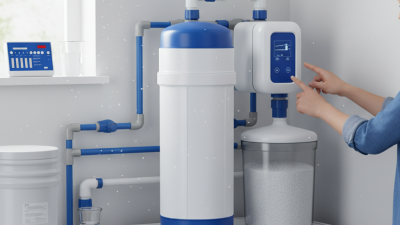
When installing a water softener system, it's crucial to consider your plumbing setup. Measure your pipes and identify the best placement for the system. Most units connect to the main water supply line. Ensure you have enough space for maintenance access. Poor location can lead to difficulties in servicing the unit over time.
Regular maintenance is key to keeping your water softener functioning well. Check the salt levels monthly. Salt bridges can form, reducing efficiency. You may need to clean the resin tank periodically, too. This step ensures the system continues to remove hardness effectively.
The installation process may seem straightforward, but it's easy to overlook details. For instance, a tight seal is necessary to prevent leaks. A small leak might seem insignificant, but it can lead to bigger issues. Every homeowner should familiarize themselves with the system's manual. Understanding the specific requirements helps avoid common pitfalls.
How to Choose the Best Water Softener System for Your Home? - Installation and Maintenance of Water Softener Systems
| Feature |
Description |
Considerations |
| Hardness Removal Capacity |
Measured in grains per gallon, this indicates the amount of hardness minerals the system can handle. |
Choose based on your local water hardness level; higher capacity is better for larger households. |
| Regeneration Type |
The method by which the system cleans itself, including time-controlled and demand-initiated regeneration. |
Demand-initiated systems are generally more efficient and cost-effective. |
| Installation Requirements |
Space, plumbing configuration, and drainage access needed for setup. |
Consider professional installation; ensure adequate space for maintenance access. |
| Maintenance Needs |
Regular checks, brine tank replenishment, and resin replacement are typical maintenance tasks. |
Budget for maintenance costs; some systems require more frequent upkeep. |
| Cost |
Initial purchase price along with long-term operating costs including salt, water, and maintenance. |
Evaluate total cost of ownership; cheaper does not always mean better value. |
| Warranty |
The manufacturer's support for repairs and replacements over time. |
Look for longer warranty periods for better protection against defects. |