How to Choose Clad Wood Windows for Your Home Needs?
Choosing the right windows for your home can be challenging. Clad Wood Windows offer a unique blend of beauty and durability. These windows feature a wood core for warmth and insulation, covered by a tough exterior material. This combination makes them appealing for many homeowners.
When selecting clad wood windows, consider your climate. Do you face harsh winters or humid summers? The right material choice can significantly impact performance. Additionally, assess your home's architectural style. The windows should enhance your home's overall appearance. Color and finish options are vast, allowing customization to fit your needs.
Reflect on long-term maintenance. Clad wood windows require less upkeep than traditional wood windows. However, they are still an investment. Take the time to research brands and warranties. Not all manufacturers provide equal quality. In the end, the goal is to find the right balance between aesthetics, functionality, and longevity with clad wood windows.
Understanding Clad Wood Windows: Features and Benefits
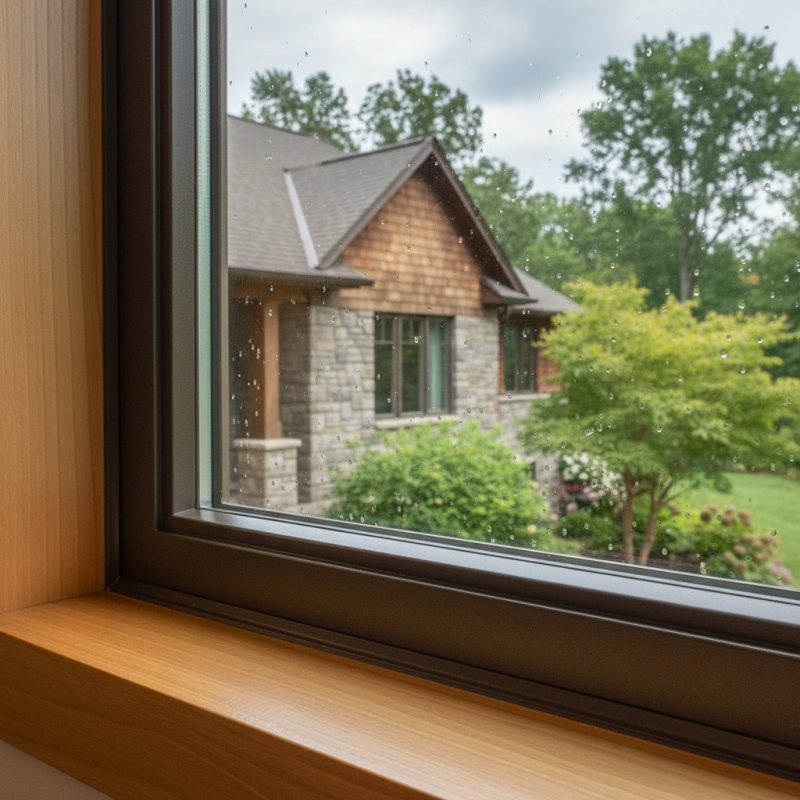
Clad wood windows combine the warmth of natural wood with a protective exterior layer, often made of vinyl or aluminum. This design enhances curb appeal while minimizing maintenance requirements. According to industry data, over 50% of homeowners choose clad windows for their aesthetic appeal and durability. These windows resist moisture, preventing rot and decay, making them a long-term investment for many households.
When selecting clad wood windows, consider the energy efficiency ratings. The U.S. Department of Energy reports that quality windows can reduce heating and cooling costs by 10-25%. Look for options with low U-values and high Solar Heat Gain Coefficient (SHGC) ratings. A well-insulated window can significantly improve indoor comfort throughout the seasons.
Tips: Choose colors and styles that complement your home's architecture. Don't overlook installation; improper fitting can lead to energy loss. Regular inspections can catch issues before they worsen, saving you money long-term. Remember, while clad windows are largely beneficial, they do require some upkeep to maintain their appearance and efficiency.
Evaluating Your Home's Architecture for Clad Wood Window Suitability
When considering clad wood windows, evaluating your home's architecture is crucial. Clad wood windows often blend seamlessly with traditional and contemporary designs. They provide the warmth of wood on the interior while offering durable, weather-resistant exteriors. A report by the American Institute of Architects reveals that nearly 70% of architects prefer wood-clad windows for aesthetic appeal.
Architectural style influences window selection. For example, historic homes often benefit from traditional styles that mirror original designs. In contrast, modern homes may lean toward sleek, minimalist windows. According to the National Association of Home Builders, homes that maintain architectural integrity may increase in value by 10% to 15%. This correlation emphasizes selecting windows that harmonize with your design.
It’s important to pay attention to local climate and environmental factors. Some wood species handle humidity better than others. Certain cladding materials can enhance energy efficiency, reducing utility costs. While clad wood windows can be a worthwhile investment, installation difficulties might arise. Improper fitting can lead to drafts and water intrusion. Consider consulting with professionals to ensure correct measurements and placements for the best results.
Comparing Different Clad Wood Materials and Their Performance
When selecting clad wood windows, understanding materials is crucial. Clad wood typically combines a natural wood frame with a protective exterior layer. Common materials used in cladding include aluminum, fiberglass, and vinyl. Each has its own performance characteristics. For instance, a study by the Wood Window Marketing Federation indicates that aluminum clad windows offer excellent durability. They resist corrosion and require less maintenance. However, wood-clad windows can be more aesthetically pleasing and environmentally friendly, providing better insulation.
Maintenance is a key consideration. Vinyl cladding offers low maintenance and excellent thermal performance. According to industry reports, it tends to last longer than wood finishes in harsh weather. Yet, it may not provide the same classic look. This is where wood-clad windows shine, combining beauty with energy efficiency.
Tips: Assess local climate conditions. If you live in a region with extreme weather, durability is vital. Research energy efficiency ratings for different materials. Look at installation costs versus long-term benefits. Challenging your choices may lead to better decisions. Not all options suit every home. Understanding your needs will guide you to the right choice.
Clad Wood Windows Performance Comparison
Factors to Consider When Selecting Clad Wood Window Styles
Selecting the right clad wood windows for your home involves considering several important factors. One major aspect is the climate where you live. A 2018 report by the Window and Door Manufacturers Association (WDMA) indicates that homes in regions with extreme weather should prioritize durability and insulation. Clad wood windows provide a robust exterior that can resist harsh conditions while offering the natural beauty of wood inside.
Aesthetic appeal also plays a crucial role in your choice. Whether you're drawn to contemporary or traditional designs, the right clad wood window style enhances your home’s overall look. According to a study published by the U.S. Department of Energy, windows can account for up to 30% of a home's energy usage. Thus, selecting windows that complement your home’s architecture can improve both aesthetics and energy efficiency.
Don't overlook the importance of maintenance. While clad windows require less upkeep than traditional wood, it’s still vital to consider your lifestyle. Some homeowners find the periodic inspections necessary for clad windows burdensome. Moreover, purchasers should reflect on color options and finishes, as these can affect long-term satisfaction. Balancing personal preference with functional needs is key in this decision-making process.
Maintenance Tips for Longevity of Clad Wood Windows in Your Home
Clad wood windows blend the timeless charm of wood with the durability of modern materials. To ensure they last, regular maintenance is vital. Inspect your windows for wear often. Look for peeling paint or scratches on the surface. Address these issues immediately to avoid further damage.
Cleaning is essential too. Use a gentle cleanser mixed with water. Avoid harsh chemicals that can degrade the finish. A soft cloth or sponge can remove dirt without scratching the wood. Remember, neglect can lead to expensive repairs later.
Tips for upkeep include checking seals and caulking. Look for gaps where air or water can enter. Reseal if needed to maintain energy efficiency. If you live in a harsh climate, seasonal checks are crucial. Harsh weather can quickly wear down window frames. Taking care of your clad windows now ensures they look good and function well for years to come.
How to Choose Clad Wood Windows for Your Home Needs? - Maintenance Tips for Longevity of Clad Wood Windows in Your Home
| Feature | Description | Maintenance Tips | Expected Lifespan |
| Material | Clad wood typically features a wood frame with a protective exterior layer of aluminum or vinyl. | Regularly inspect for any dents or scratches on the exterior. Clean the surface with mild detergent. | 20-30 years, depending on climate conditions. |
| Energy Efficiency | Clad wood windows provide excellent insulation, reducing energy bills. | Check seals and weather stripping annually for deterioration. | Variable - depends on installation and maintenance. |
| Design Options | Available in various styles, colors, and sizes to match your home aesthetics. | Paint or stain exposed wood periodically to maintain finish. | 20-50 years depending on upkeep and local environment. |
| Durability | Clad wood windows resist weather elements better than traditional wood. | Routine checks for signs of rot or decay are essential. | 20-40 years with proper care. |
| Cost | Generally more expensive than standard vinyl but offer better longevity. | Consider budgeting for maintenance costs over time. | High initial cost can lead to savings in energy bills over time. |