How to Choose the Best Water Fountain Statues for Your Space?
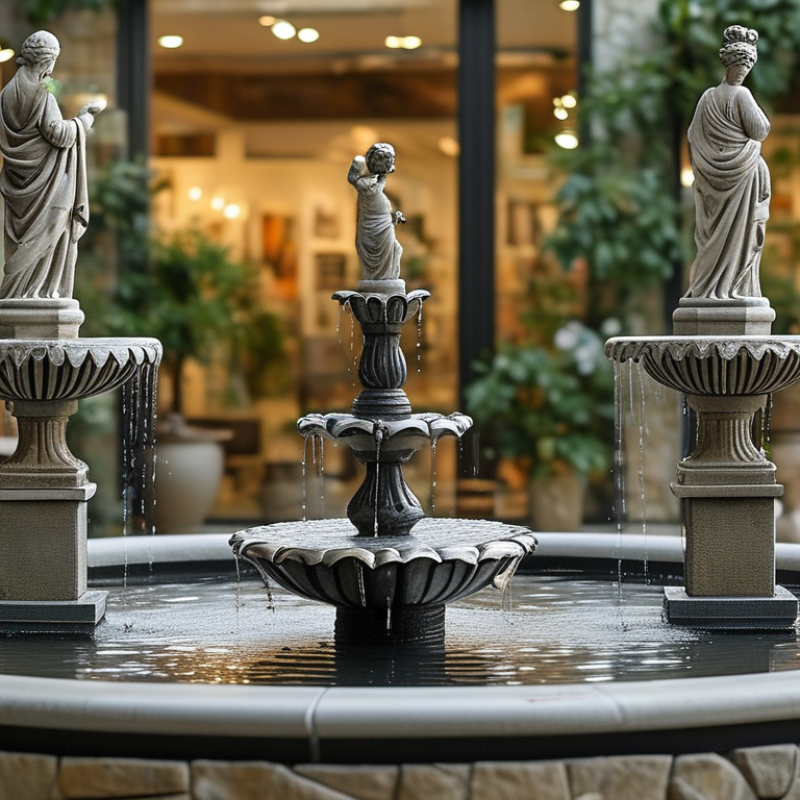
When enhancing your outdoor or indoor space, Water Fountain Statues can add a unique touch. These pieces not only serve as stunning focal points but also create a calming atmosphere. Choosing the right statue requires careful thought about your surroundings and personal style.
Consider the size and scale of your space. A large Water Fountain Statue may overwhelm a small garden, while a tiny one might get lost in a vast area. Reflect on the materials used, too. Stone, metal, or ceramic can profoundly impact the fountain's overall appearance and durability.
Don't rush into a decision. Take your time to select a piece that resonates with you. Visit various shops and explore online options. Sometimes, the perfect Water Fountain Statue may surprise you, challenging your initial preferences. Seek advice from design experts or trusted friends to ensure your choice enhances your space effectively.
Factors to Consider When Choosing Water Fountain Statues for Outdoor Spaces
Choosing the right water fountain statue for your outdoor space can significantly enhance its aesthetic appeal. Consider the style of your garden or patio. A contemporary fountain may clash with a traditional landscape. Visualize your desired ambiance. Soft sounds of flowing water can create a peaceful retreat.
Size matters. Think about the scale of your outdoor area. A small garden may feel overwhelmed by a large statue. Conversely, a tiny fountain might get lost in a spacious yard. Positioning is also essential. Place the statue where it catches the eye but does not obstruct walkways.
**Tips:** Look for materials that can withstand outdoor conditions. Stone and fiberglass are great options. They offer durability and timeless beauty. Think about maintenance, too. Some materials require more upkeep than others. Lastly, consider adding lights. This can highlight the statue at night, adding charm and inviting you to enjoy the space after dark. Reflect on these elements to ensure your fountain complements your outdoor oasis.
Understanding the Different Materials Used in Water Fountain Statues
When selecting water fountain statues, understanding the materials is crucial for your space. Common materials include stone, resin, metal, and ceramic. Each has its benefits and drawbacks. Stone is durable and timeless but can be pricey. Metal offers modern aesthetics, yet it may corrode over time. Resin is lightweight and often budget-friendly but can fade in sunlight. Ceramic provides intricate designs but can be fragile.
A 2022 industry report indicates that stone fountains remain popular, accounting for 45% of sales due to their durability and natural look. However, resin is gaining ground, especially among young homeowners, representing a 25% market share. Both are appealing, but your choice should reflect your environment and maintenance preference.
Tips: Consider the climate of your area. If you live in a region with harsh winters, a stone fountain may crack in the cold. A resin fountain could endure better, but ensure it suits your overall design. Assess your space's aesthetics and the statue’s interaction with it. A mismatched style can detract from your landscape, creating an unharmonious look. Always plan ahead; purchasing a fountain without considering maintenance can lead to regret.
The Impact of Fountain Size and Scale on Your Space's Aesthetic
When choosing a water fountain statue, consider the size and scale of your space. A large fountain can become a focal point in a garden or patio, drawing attention and admiration. However, a fountain that's too big may overwhelm a small area, making it feel cluttered. Balance is crucial.
If you have a compact balcony, opt for something smaller. A petite fountain can still create a serene atmosphere without taking up too much room. Conversely, in a spacious backyard, a grand statue can add drama and elegance. Think about the proportions of nearby plants and furniture. They should complement the fountain, not compete with it.
The material of the fountain also influences its visual weight. Heavy stone fountains feel solid and substantial. Lighter materials, like resin, may suit airy spaces. Look for designs that resonate with your style and the overall feel of your space. Trust your instincts. Sometimes, what looks good on paper doesn’t translate well in reality. Be prepared to experiment.
Maintenance Requirements for Various Types of Water Fountain Statues
When selecting water fountain statues, maintenance is a crucial aspect to consider. The upkeep needs vary significantly based on the type of materials used. For instance, resin fountains require less maintenance compared to stone or metal ones. According to industry reports, 70% of fountain owners cited ease of cleaning and durability as top priorities.
Concrete water fountains might last longer but can become porous over time. This can lead to algae growth, requiring more frequent cleaning. Regular maintenance not only preserves aesthetics but also extends the lifespan of your fountain. A simple task like checking the water level can prevent pump damage, which is a common issue.
**Tips:** Always use distilled water. This reduces mineral buildup. Keep an eye out for cracks and repair them promptly. Consider placing your fountain in shaded areas to minimize algae growth. These small actions can save you time and money.
Paying attention to maintenance helps to avoid failures. A well-maintained fountain operates efficiently, providing a tranquil ambiance. Make informed choices based on your willingness to commit to ongoing care. Evaluate your space and lifestyle before making a decision.
The Importance of Water Sound and Flow Rate in Fountain Selection
When selecting water fountain statues, understanding water sound and flow rate is crucial. The sound of water can create a serene atmosphere. Studies show that consistent water sound reduces stress levels by up to 65%. This makes fountains ideal for relaxation spaces or gardens.
Flow rate directly affects the overall performance of the fountain. A higher flow rate results in more pronounced water sounds, which may enhance ambiance. According to recent industry reports, the average flow rate for residential fountains is approximately 100-300 gallons per hour. If your space is small, a lower flow rate could be more suitable, ensuring a gentle trickle.
Tips: Consider the size of your space. A fountain that is too loud may overwhelm small areas. Balance is key. Test different fountains with various flow rates. This will help you understand which sound resonates best with your environment. Don’t settle for the first choice. Spend time assessing how each option interacts with your surroundings.