How to Choose the Best Water Filtration System for Your Home?
Choosing the right water filtration system can be overwhelming. With many options available, you might feel confused. Each system has unique features and benefits. Understanding these can lead to healthier choices.
Water quality varies by location. Some tap water may contain harmful contaminants. A good filtration system can reduce these risks. This makes it essential to evaluate your specific needs. Do you have visible sediment? Is there a chlorine taste? Addressing these issues is crucial.
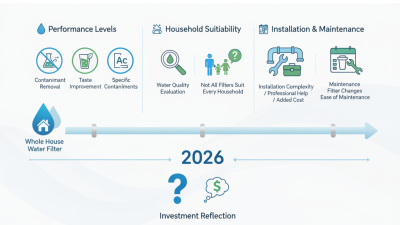
Consider installation and maintenance too. Some systems may require complex setups. Others might need regular filter replacements. Reflecting on these factors can help you make better decisions. Remember, not every product will fit your home perfectly. Explore different options until you find the ideal water filtration system.
Understanding Your Water Quality: Testing and Analysis
Understanding your water quality is crucial when selecting a filtration system. Many homes receive water from municipal sources. According to the Environmental Protection Agency (EPA), approximately 85% of Americans depend on public drinking water. However, this does not guarantee safety. Testing your water can reveal contaminants like lead, chlorine, and bacteria.
A study by the American Water Works Association shows that 20% of reported water quality issues stem from lead piping. Testing kits are accessible and simple to use. They can detect harmful substances and identify necessary filtration methods. You might find that your water seems clear, but this does not guarantee purity.
Consider your local environment, too. Agricultural runoff can introduce pesticides into water sources. In some cases, these chemicals are undetectable without laboratory analysis. It’s essential to be proactive in understanding what’s in your water. While many reports highlight general safety, local variations can reveal potential risks right in your home.
Water Quality Analysis: Contaminant Levels
This bar chart displays the levels of common contaminants found in household water supplies. Regular testing can help homeowners understand the quality of their water and choose an appropriate filtration system.
Types of Water Filtration Systems: Pros and Cons
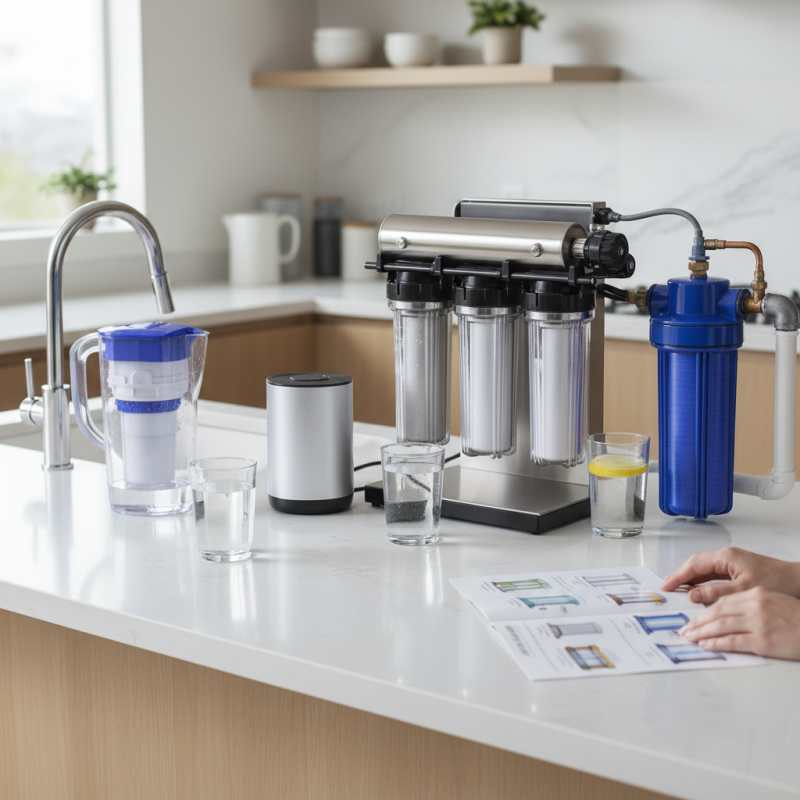
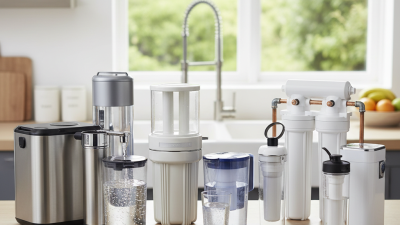
When selecting a water filtration system, understanding the types available is crucial. Common systems include activated carbon filters, reverse osmosis systems, and ultraviolet purifiers. Each comes with its advantages and drawbacks.
Activated carbon filters are quite popular. They effectively remove chlorine, sediments, and some heavy metals. However, they may not be as effective against microbial contaminants. Studies show that about 50% of families use these filters due to their simplicity and cost-effectiveness. But, filters need regular replacement to maintain performance.
Reverse osmosis systems are more thorough. They remove up to 99% of contaminants, including bacteria and viruses. Yet, they waste water, typically discarding three gallons for every gallon filtered. This inefficiency is a critical factor to think about. A report from the Water Quality Association indicates that these systems can also strip beneficial minerals from water.
Consider maintenance when choosing a system. Frequent filter changes can add up over time. Tip: Always check the manufacturer’s guidelines for replacement schedules. A poorly maintained system can become a breeding ground for bacteria. Another tip is to assess your water quality report. This will help determine the most effective filtration method for your specific needs.
Key Features to Consider in a Filtration System
Choosing the right water filtration system for your home can be daunting. Several key features can make a significant difference. Start by evaluating the type of contaminants present in your water. Testing kits can reveal harmful substances like lead, chlorine, or bacteria. This knowledge helps narrow down the right system for your needs.
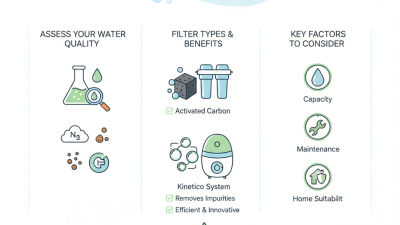
Consider the filter type. Activated carbon filters work well for removing chemicals and odors. Reverse osmosis is effective against a broader range of contaminants. Each system has its unique benefits. Think about your household size and water usage. Larger families may need systems that can handle higher volumes.
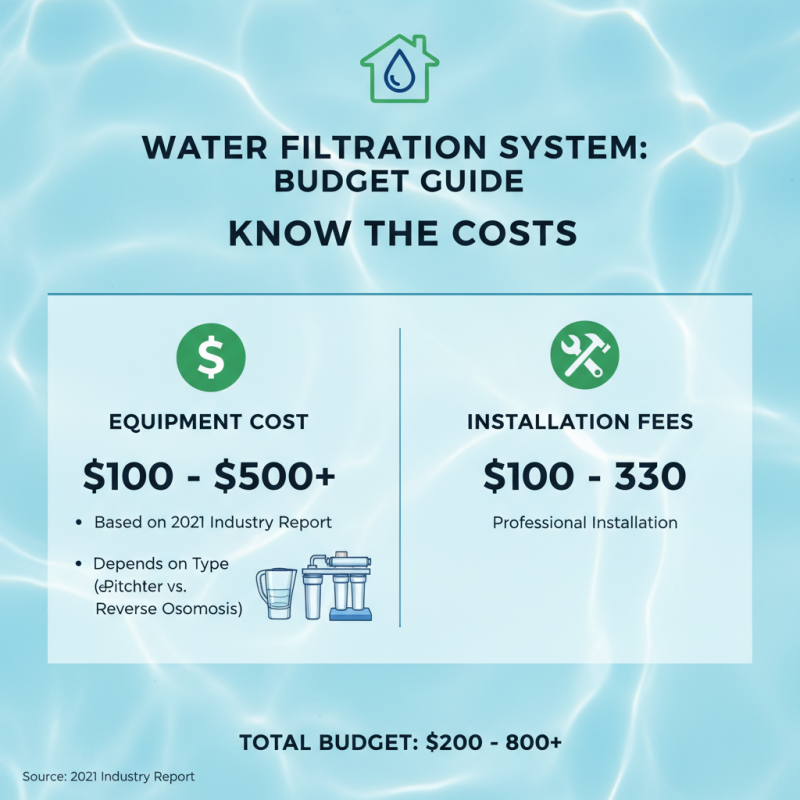
Tips: Regular maintenance is crucial. Change filters as recommended to ensure optimal performance. Be mindful of the installation process. It can be simple but often requires some tools and basic plumbing skills. Don’t overlook cost, both for installation and filter replacements. These factors can add up, and a more expensive system may not always be the best choice. Evaluate what fits your lifestyle and budget while keeping your water quality in check.
How to Choose the Best Water Filtration System for Your Home? - Key Features to Consider in a Filtration System
| Feature |
Description |
Importance |
Average Cost |
| Filtration Technology |
Types include activated carbon, reverse osmosis, and UV purification. |
Critical for the removal of contaminants |
$100 - $1000 |
| Filter Lifespan |
Duration before filter replacement is needed. |
Affects maintenance costs and convenience |
$20 - $200 per filter |
| Flow Rate |
Speed of water filtration, measured in gallons per minute. |
Essential for meeting household water demands |
$50 - $500 |
| Installation Type |
Under-sink, countertop, or whole house systems. |
Impacts space and installation complexity |
$0 - $1000 |
| Certifications |
Look for NSF/ANSI certifications for safety and effectiveness. |
Assures quality and performance standards |
N/A |