Kinetico Water

Top Water Filter System Manufacturers in China

China has become a major source of water filter systems, serving homes, factories, restaurants, and municipal projects. Yet a polished catalogue does not prove a system will perform well. Buyers need to look beyond price and appearance. They should ask how manufacturers test products, verify materials, and support systems after installation.

Water-quality expert Dr. Joseph Cotruvo’s work points to a practical principle: treatment should be matched to the source water and the contaminants that need reducing. That matters. A clear glass can still contain substances that taste and smell do not reveal. Reliable selection starts with water analysis, then checks whether a system’s stated performance matches those findings.

This guide examines leading water filter system manufacturers in China through practical criteria, including product range, filtration technology, quality controls, certifications, and export experience. It also considers details buyers can inspect: replacement-cartridge availability, installation requirements, and service response. These checks help distinguish established capability from broad marketing claims. They do not guarantee a perfect fit. Even a reputable supplier may offer a system that is unsuitable for a particular water source or project. Ask for current test records, clarify the intended use, and compare evidence carefully. The shortlist that follows is a starting point for informed evaluation, not a substitute for technical due diligence.
Top Water Filter System Manufacturers in China

Water Filter Systems in China: Industry Scope and Market Structure

China’s water-filter system industry covers more than household drinking-water units. Manufacturers also serve offices, restaurants, factories, and municipal projects, with systems sized for different flow rates and water conditions. Product ranges commonly include sediment and carbon filtration, membrane-based treatment, and integrated multi-stage units. The right setup depends on the incoming water. A kitchen unit and a production-line system solve different problems.

The market has several layers. Component suppliers provide housings, pumps, membranes, valves, and filter media. System manufacturers combine these parts, test performance, and sell through distributors, project contractors, or online channels. Some focus on complete equipment; others specialize in components or contract production. This structure gives buyers options, but product descriptions can be hard to compare. A small detail matters: cartridge dimensions, replacement intervals, and local service access can shape the real operating cost.

For buyers assessing manufacturers, technical documents are a useful starting point, not the whole answer. Check flow capacity, stated removal targets, pressure limits, and test conditions. Ask how replacement parts are sourced and what maintenance looks like after installation. Water quality varies by location, so one design may not suit every site. The industry is broad, and its categories are not always cleanly separated. That deserves a closer look.

Key Technologies and Product Categories Offered by Chinese Manufacturers

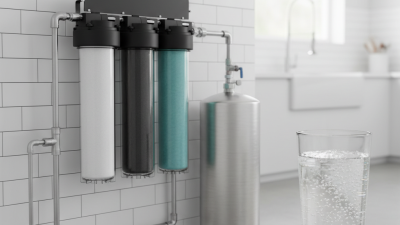
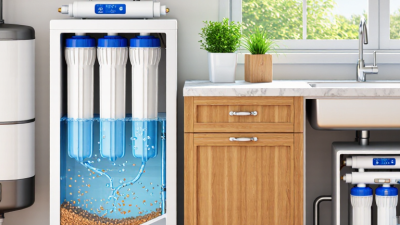
Chinese water filter system manufacturers offer products for kitchens, whole homes, and commercial sites. Their core technologies include sediment filtration, activated carbon, ultrafiltration, and reverse osmosis. Each addresses different needs. Sediment cartridges catch visible particles, while carbon media can reduce chlorine taste and odor. Reverse osmosis membranes remove many dissolved substances, but typically need adequate water pressure and regular maintenance.

Product designs range from compact under-sink units to countertop dispensers and larger, multi-stage whole-house systems. Some models combine prefilters with membrane treatment and a final carbon stage. Manufacturers may also add leak sensors, filter-life indicators, automatic flushing, or booster pumps. Small details matter. Cartridge availability and clear replacement instructions can affect everyday use as much as the filtration stages themselves.

For buyers, technical claims should be checked against product-specific test reports, not just broad descriptions of a technology. Useful details include rated flow, operating pressure, replacement intervals, and the substances tested. A lab result may not match every household’s water or usage. Not always. Even a well-designed system can disappoint if its capacity is too small or filters are changed late. Asking how performance was verified is a practical step, though interpreting test data can still be difficult.

How to Evaluate Water Filter System Manufacturers in China

Top Water Filter System Manufacturers in China

How to Evaluate Water Filter System Manufacturers in China

Start with the water the system must treat. Ask manufacturers about feed-water conditions, target contaminants, daily volume, and required flow rate. A supplier should explain how those factors affect filter media, housing size, and maintenance intervals. Clear answers matter more than a long product list.

Compare test evidence, not just catalog claims. Request reports showing the tested model, test conditions, and measured results. Ask how the manufacturer checks leakage, pressure loss, and cartridge fit during production. Ask for the data. Not just a brochure. Also check whether replacement cartridges and key components can be traced to consistent specifications.

A factory visit can reveal assembly steps, inspection tools, and how staff handle rejected parts. A polished showroom proves little by itself. One visit is still only a snapshot, so verify details against documents and sample performance. Finally, assess communication and after-sales support: who answers technical questions, how quickly spare parts can be supplied, and whether installation guidance is practical. No checklist catches everything, but careful questions can expose gaps before a purchase.

Leading Manufacturers and Their Areas of Specialization

China’s water-filter manufacturers often specialize by treatment stage rather than offering identical systems. Some focus on reverse osmosis units for kitchens, combining membrane elements with sediment and carbon cartridges. Others concentrate on ultrafiltration, which retains many suspended particles while preserving more dissolved minerals. Component makers may specialize in housings, pumps, valves, or replacement cartridges. The right fit depends on the source water and the intended flow rate. One detail is easy to miss: a polished product sheet does not prove that every model performs equally well.

The WHO/UNICEF Joint Monitoring Programme reported that 2.2 billion people lacked safely managed drinking water in 2022. That need makes reliable treatment important, but no filter solves every water-quality problem. WHO’s Guidelines for Drinking-water Quality recommend assessing hazards and managing risks across the supply chain. Manufacturers specializing in commercial systems may therefore offer multi-stage treatment, higher-capacity membranes, and monitoring components; household-focused producers tend to prioritize compact housings and simple cartridge changes. Ask for test results tied to the exact model, its rated capacity, and the contaminants tested. A useful caution: certification claims can be confusing, and buyers should verify scope with the issuing body rather than rely on a logo alone.

Top Water Filter System Manufacturers in China: Areas of Specialization

Membrane filtration is one important specialization in water treatment. This chart compares indicative pore-size ranges used to distinguish common membrane technologies—not manufacturer counts or brand data.

Indicative engineering ranges in micrometers (μm). Actual membrane ratings vary by product and measurement method; pore size alone does not determine contaminant removal.

Quality Standards, Export Readiness, and Emerging Industry Trends

For buyers comparing water filter system manufacturers in China, quality claims matter less than the evidence behind them. Ask for current test reports that identify the tested model, materials, and performance limits. Check whether the supplier’s quality system is independently audited, and confirm which standards apply in your market. A clear batch code on a filter housing or carton can help trace production issues later. Looks simple. It isn’t always.

Tips: Request a sample and inspect seals, connections, and labeling. Ask for installation and maintenance instructions in your customers’ language. Confirm packaging dimensions and replacement-cartridge availability before shipment.

Export readiness also depends on consistent paperwork, protective packaging, and realistic lead times. Requirements differ by destination, so verify product documentation with a qualified local compliance adviser. A polished certificate alone is not proof that every configuration has been tested. That detail can be missed. Emerging trends include connected flow monitoring, longer-life cartridges, and reduced packaging waste. These features may help users, but they need practical validation: test sensor readings under changing pressure, and compare cartridge-life claims with actual water conditions. Manufacturers should explain what the data does—and does not—show.

Top Water Filter System Manufacturers in China - Quality Standards, Export Readiness, and Emerging Industry Trends

A practical, company-neutral comparison framework for assessing manufacturers and water-treatment products. Standards and regulatory requirements depend on the product, treatment claims, and destination market.

Evaluation Dimension Relevant Standard or Market Requirement What It Covers Evidence to Request from a Manufacturer Export Readiness Consideration Industry Trend
Drinking-water quality reference China’s GB 5749-2022; effective April 1, 2023 National hygienic standard for drinking water in China. It is a water-quality benchmark, not by itself a product certification for a filter system. Test reports identifying the tested water, sampling conditions, laboratory, methods, and measured parameters. Check whether product claims and test methods meet the destination market’s requirements; a domestic water-quality reference does not automatically establish overseas compliance. More explicit performance claims supported by traceable, application-specific test data.
Filtration performance claims NSF/ANSI 42, 53, 58, and 401 are commonly referenced in North American product testing Standard 42 addresses aesthetic effects such as chlorine taste and odor; 53 covers specified health effects; 58 applies to reverse osmosis systems; 401 covers specified incidental contaminants. Current, model-specific test or certification documentation that names the exact claims, configuration, and replacement cartridge. Confirm that the certificate or test report covers the exact model and claim being marketed. One standard does not demonstrate removal of every contaminant. Growing interest in verified reduction claims for specific contaminants, including certain emerging compounds.
Materials in contact with water Destination-specific drinking-water contact requirements; applicable food-contact rules may also apply to some components Potential migration or leaching from housings, tubing, seals, tanks, and other wetted parts. Material specifications, supplier declarations, migration or extraction test results, and a list of wetted components. Requirements differ by country and product type. Verify the rules for the target market rather than relying on a general “food-grade” statement. Greater traceability of resin, elastomer, and other component suppliers.
Manufacturing quality management ISO 9001 is a quality-management-system standard Management processes for areas such as document control, corrective action, and continual improvement; it does not certify a filter’s contaminant-reduction performance. Certificate scope, issuing body, validity status, factory address, and production-control records relevant to the product. Check that the certificate applies to the actual manufacturing site and relevant activities; assess audit and change-control practices separately. More structured supplier qualification and production traceability.
Reverse osmosis system design Performance should be evaluated for the specified system and test conditions; NSF/ANSI 58 is a relevant North American reference RO systems use a membrane to reduce specified dissolved substances. Output and rejection vary with feed-water conditions, pressure, temperature, and membrane condition. Test conditions, rated production capacity, recovery or reject-water data, membrane specifications, and maintenance instructions. Check that performance information is presented with its test conditions and that replacement parts are available in the destination market. Design efforts include improved water recovery, compact systems, and reduced wastewater, with results dependent on operating conditions.
Electrical and smart features Applicable electrical safety, radio, and electromagnetic-compatibility rules depend on the destination and product configuration Pumps, UV units, displays, leak sensors, connectivity, and other powered features can trigger requirements beyond those for a passive filter. Electrical ratings, safety test documentation, component lists, firmware support details, and instructions for safe installation. Assess the complete finished product, including its power supply and wireless functions; requirements vary across markets. Connected monitoring for filter life, leakage, flow, and maintenance reminders is increasingly incorporated into product designs.
Export documentation and change control Documentation and conformity obligations are market- and product-specific Consistent model identification, technical files, labels, manuals, bills of materials, and controlled product revisions. Model-specific specification sheets, installation and maintenance manuals, labeling artwork, test reports, and a documented revision history. Confirm that documents match the shipped configuration and local language and labeling needs. Do not treat a CE mark as proof of drinking-water filtration performance. Digital documentation and traceable component records support faster customer and compliance reviews.
Service life and replacement parts Replacement intervals should be supported by product instructions and actual operating conditions Filter life depends on water quality, usage, flow, and the specific cartridge design; a calendar estimate alone may not fit every installation. Cartridge specifications, change-out instructions, compatibility information, and evidence supporting stated service-life claims. Evaluate long-term availability of cartridges and service parts in the destination market, not only the initial system price. Modular cartridges and clearer replacement guidance can simplify maintenance and reduce avoidable whole-unit replacement.
Emerging contaminant awareness Claims should be tied to a defined test method, contaminant, and system configuration Interest in PFAS and other emerging contaminants is increasing, but treatment effectiveness differs by compound and technology. Independent, claim-specific test data and clear disclosure of operating limits, cartridge life, and conditions tested. Check current rules and approved claims in each destination market; broad statements such as “removes all contaminants” are not adequate evidence. More targeted testing and narrower, better-substantiated performance claims.

Note: This table is an industry-level evaluation guide, not a ranking or certification list. Verify current standards, legal requirements, certificates, and test reports with the relevant authorities or accredited bodies before purchase or export.