

Kinetico Water

Who Are the Best CDX Plywood Suppliers in China?

Choosing among CDX plywood suppliers in China takes more than comparing prices. A low quote may conceal differences in veneer quality, core construction, adhesive, or factory consistency. CDX is commonly used for construction and sheathing, but product specifications can vary by supplier. Buyers should compare the actual panel, not rely on the grade name alone.

This guide explains how to assess suppliers using practical checks: product specifications, manufacturing capability, quality-control records, sample inspection, packaging, and communication. Look closely at panel thickness, edge bonding, surface condition, and core gaps. A polished sample can still hide an uneven core. Ask for current test reports and confirm that they match the product being quoted. For Cdx Pine Plyood, clear documentation matters as much as a competitive offer. Small details count.

“Best” depends on the order. A distributor may suit a small trial shipment, while a manufacturer may offer more control over repeat production. Minimum order quantities, lead times, and export packing also affect the decision. Request written answers, compare like-for-like specifications, and inspect samples before placing a large order. No supplier should be judged by a website or one attractive panel alone. That sounds simple. It isn’t. This overview offers a careful starting point for identifying capable Chinese CDX plywood suppliers and asking better questions before committing.
Who Are the Best CDX Plywood Suppliers in China?

What CDX Plywood Is and How It Is Used

What CDX Plywood Is and How It Is Used

CDX plywood is a structural panel made from cross-laminated wood veneers. “C” and “D” describe the visible face grades, while “X” indicates exterior-type adhesive. The surface may contain knots, patches, and small voids. It is functional, not decorative.

In construction, CDX commonly serves as roof decking, wall sheathing, subfloor support, and temporary site panels. Its cross-layer structure spreads loads across the sheet. APA’s Panel Design Specification identifies plywood as a structural panel whose performance depends on thickness, span rating, fastening, and exposure classification. CDX is often Exposure 1, not permanently weatherproof. That difference matters.

The USDA Forest Products Laboratory’s Wood Handbook explains that veneer direction and adhesive bonding influence plywood strength and dimensional stability. FAO’s Forestry Production and Trade database recorded global wood-based panel production at roughly 400 million cubic meters in 2022. This figure covers many panel types, not CDX alone, but it shows the scale of engineered wood demand. In practical purchasing, check panel thickness, grade stamp, formaldehyde information, and moisture condition. A 12-millimeter sheet may work for one wall application but fail under another span. I have seen specifications treated as interchangeable. They are not. Edge sealing can reduce moisture uptake, yet it cannot turn CDX into permanent exterior cladding. Suppliers should provide test documentation, tolerances, and packaging details, rather than relying on appearance alone.

How to Evaluate CDX Plywood Suppliers in China

Who Are the Best CDX Plywood Suppliers in China?

How to Evaluate CDX Plywood Suppliers in China

Choosing a CDX plywood supplier requires more than comparing prices. Check the factory’s production experience, veneer sources, and quality control records. A reliable supplier should explain core gaps, face veneer grades, adhesive types, and thickness tolerances clearly. Ask for recent laboratory reports, not only sales brochures. These reports should cover bonding strength, moisture performance, and formaldehyde emissions where applicable.

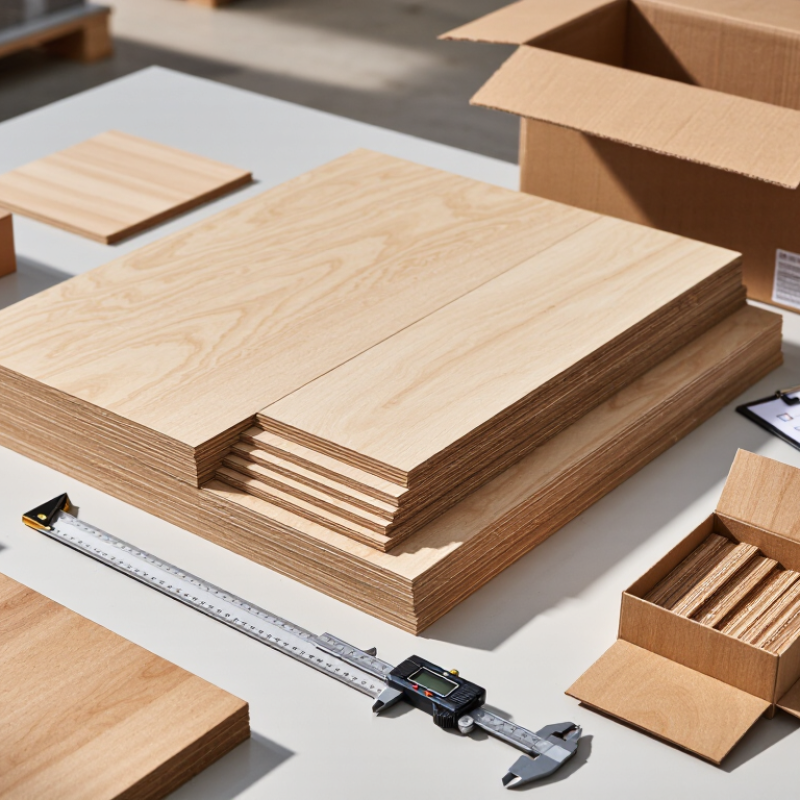
Request physical samples from the same production line used for your order. Inspect the panels under bright light. Look for open knots, uneven layers, edge swelling, and visible voids. Measure thickness at several points with a caliper. Supplier communication also matters. Slow replies may signal weak follow-up after payment. A factory visit, live video inspection, or independent pre-shipment check can reveal more than attractive product photos. My judgment can still be imperfect. One clean sample does not prove stable mass production.

Tips: Ask for a written inspection standard before ordering. Confirm packaging, loading quantity, replacement terms, and delivery responsibilities. Compare at least three suppliers using identical questions. Check whether test documents match the exact plywood construction and production date. Avoid choosing the lowest quotation automatically. A cheaper panel may create higher cutting waste, delays, or complaints. Keep signed specifications, approved samples, and inspection records together. This simple file can protect both quality expectations and future communication.

Who Are the Best CDX Plywood Suppliers in China? - How to Evaluate CDX Plywood Suppliers in China

This is a supplier-evaluation scorecard, not a ranking of named manufacturers. “CDX” is a North American trade designation commonly describing C-grade and D-grade faces with an Exposure 1 adhesive bond classification. Confirm the exact panel construction, applicable product standard, and destination-market requirements in the purchase specification; Exposure 1 does not mean the panel is waterproof or suitable for permanent, unprotected outdoor exposure.

Evaluation dimension Suggested weight What to verify Useful evidence to request
Product specification and grading 25 points Confirm face and back grades, core construction, thickness, dimensions, edge condition, and intended use. Make clear whether “CDX” describes the supplier’s own grading or a specification verified to the buyer’s required standard. A written product data sheet, approved sample, grading description, and purchase specification showing tolerances and acceptance criteria.
Adhesive bond and moisture performance 20 points Check that the adhesive-bond classification matches the order and that any moisture-related or exposure claims are supported by applicable test requirements. Do not treat “Exposure 1” as a waterproof rating. Relevant test reports identifying the product tested, test method, issuing laboratory, test date, and result. Confirm report scope and validity independently where possible.
Quality control and traceability 15 points Assess how the factory controls veneer grading, glue application, pressing, thickness, repairs, and finished-panel inspection. Check whether production lots can be traced to inspection records. Documented inspection procedures, sample batch records, defect limits, calibration records, and a clear process for handling nonconforming panels.
Production capability and consistency 10 points Determine whether the supplier can produce the specified construction, thicknesses, dimensions, and quantities consistently. Capacity should be assessed against the buyer’s actual order schedule rather than a general sales claim. Current production schedule, confirmation of available production lines, representative samples, and evidence that repeat orders can follow the approved specification.
Export documentation and destination compliance 10 points Confirm that product descriptions, origin information, shipping documents, and any required regulatory or testing documentation match the destination market and shipment. Redacted examples of relevant export documents and certificates, plus written confirmation of which documents are available for the specific product and destination.
Packaging and shipment protection 8 points Check protection against handling damage and moisture during storage and transit, bundle stability, labeling, and suitability for the agreed shipping method. Packaging specification, photographs of packed bundles, labeling details, and agreed procedures for recording damage at loading and delivery.
Commercial terms and order clarity 7 points Compare quoted specification, quantity, price basis, lead time, payment terms, inspection arrangements, and responsibility for claims. Ensure the quotation and contract describe the same product. A detailed quotation and draft contract with product tolerances, inspection rules, delivery terms, claim process, and remedies for specification deviations.
Sample approval and pre-shipment inspection 5 points Require approval of a representative sample before production and define how finished goods will be checked. Inspection should use agreed criteria rather than visual impressions alone. Signed sample approval, written inspection checklist, lot-sampling plan, and an agreed option for independent pre-shipment inspection.
Total suggested weight 100 points Apply the same evidence-based criteria to every candidate. A high score indicates stronger documented fit for the stated order; it is not a guarantee of performance or a certification of any supplier.

Key Supplier Types and Manufacturing Capabilities

Who Are the Best CDX Plywood Suppliers in China?

Chinese CDX plywood suppliers generally fall into three groups: integrated mills, specialized panel factories, and export trading companies. Integrated mills control veneer peeling, drying, grading, gluing, pressing, and sanding in one location. This structure can improve consistency and shorten production schedules. Specialized factories may offer stronger technical control for construction plywood, especially when buyers need fixed thickness, calibrated edges, or custom panel sizes. Trading companies can provide broader sourcing options, but buyers should verify the actual factory behind each order.

Manufacturing capability matters more than an attractive quotation. A reliable supplier should explain its log selection, veneer moisture range, core layout, adhesive system, and hot-press temperature. Ask for recent test records, not only a polished sample. Useful checks include thickness tolerance, bonding strength, surface defects, formaldehyde data, and moisture content. A practical factory should also maintain batch numbers and inspection records from core assembly to final packing.

Production floors reveal important details. Look for covered veneer storage, even drying, clean glue mixers, and stable press pressure. Poor storage can create warped sheets before pressing begins. I have seen attractive samples fail after exposure to rain or repeated handling. No supplier is perfect. Some factories still depend on manual grading, which may create small visual differences between batches. Buyers should define acceptable defects clearly and inspect a pilot order before scaling up. Clear specifications reduce disputes and expose weak quality systems early.

Who Are the Best CDX Plywood Suppliers in China? Key Supplier Types and Manufacturing Capabilities

Compare common nominal CDX panel thicknesses. The bars show their metric conversions; actual availability varies by supplier and product specification.

Supplier context: Integrated mills typically manage more production stages in-house, contract manufacturers produce to buyer specifications, and export-focused suppliers may source from partner mills. Confirm factory capabilities, grade documentation, thickness tolerances, and export requirements directly. Thicknesses shown are common nominal inch sizes converted to millimeters.

How to Compare Quality, Certifications, and Pricing

When comparing CDX plywood suppliers in China, request samples from the same stated thickness and grade. Inspect the face veneers for open knots, patches, and uneven sanding. Check panel edges for core gaps and overlapping layers. Small details matter. Ask for production records and test reports that match the exact product, not a similar panel. CDX is generally intended for limited weather exposure, not permanent water contact. A supplier calling it “waterproof” deserves follow-up questions. Confirm the adhesive type and intended exposure class in writing.

Certifications can support a supplier’s claims, but verify the issuing body, validity dates, and product scope. A document covering another factory or plywood grade proves little. If possible, arrange an independent inspection before shipment. It may feel cautious, but paperwork alone cannot show how a panel handles rough edges or storage moisture. Compare prices only after fixing the same thickness, dimensions, face grade, packaging, and order volume. Then include freight, inspection fees, lead time, and replacement terms. The lowest quote may exclude useful protections. And sometimes, a higher price is not better. Ask suppliers to explain each cost difference, then compare their answers against the sample and documents.

Steps for Verifying and Selecting a Supplier

Selecting a CDX plywood supplier in China requires more than comparing prices on a spreadsheet. Define thickness, veneer grade, core composition, adhesive class, and permitted thickness tolerance. Ask for recent test reports, not old PDF files. Check whether the reports match the actual factory and product specification.

Request production samples with batch numbers attached. Examine the face veneer, edge gaps, delamination, sanding marks, and moisture content. A reliable supplier should explain its testing method clearly. It should also provide traceable raw-material records and a realistic production schedule. Do not accept vague claims about waterproof performance. Ask how the panels perform after soaking, drying, and repeated handling. Small details matter.

Factory verification adds useful evidence. Review pressing equipment, storage conditions, quality checkpoints, and packaging methods through a live video inspection or an independent visit. Speak with two recent customers if possible. Their comments about consistency may reveal more than a sales presentation. I once considered a clean sample enough evidence; that approach was too optimistic. Samples can be selected carefully. Require a pre-shipment inspection with measurable acceptance criteria, including thickness, bonding strength, surface defects, and carton labeling. Confirm export documents, payment terms, claims procedures, and replacement responsibilities in writing. Leave room for doubt. A low quotation may hide unstable quality, slow communication, or costly rework.